


Ozempic, Wegovy vs Mounjaro are no longer just medical comparisons; they’re commercial ones.
In the UK and globally, weight-loss injections have exploded into a multi-billion-dollar market almost overnight. Drugs originally developed for type 2 diabetes are now being prescribed, marketed and privately sold widely for weight management, with millions of adults adopting them through private clinics and online prescriptions rather than the NHS. In fact, around 1.6 million UK adults were estimated to have used weight-loss drugs such as Wegovy and Mounjaro between early 2024 and early 2025.
The numbers alone tell the story. The global GLP-1 agonists weight-loss drugs market, the class that includes Ozempic, Wegovy, and Mounjaro, was estimated at around USD 13.84 billion in 2024 and is projected to reach about USD 48.84 billion by 2030, growing at nearly 19% annually. Meanwhile, broader forecasts show the global GLP-1 receptor agonist market could expand from roughly USD 64.42 billion in 2025 to about USD 170.75 billion by 2033. What began as treatment has become big business, and business moves fast.
From medical treatment to market opportunity
Ozempic, Wegovy, vs Mounjaro belong to a class of drugs known as GLP-1 receptor agonists. Clinically, they work by:
Slowing stomach emptying
Suppressing appetite
Regulating blood sugar
Increasing feelings of fullness
On paper, the science is solid. In controlled trials, patients lost significant body weight under medical supervision.
But the commercial shift changed everything.
Once weight loss entered the equation, demand skyrocketed. Private clinics emerged. Online pharmacies followed. Advertising language softened from “medical treatment” to “life-changing results”.
This is where Ozempic, Wegovy vs Mounjaro stop being about outcomes and start being about market share.
Ozempic, Wegovy vs Mounjaro: Competition in a crowded gold rush
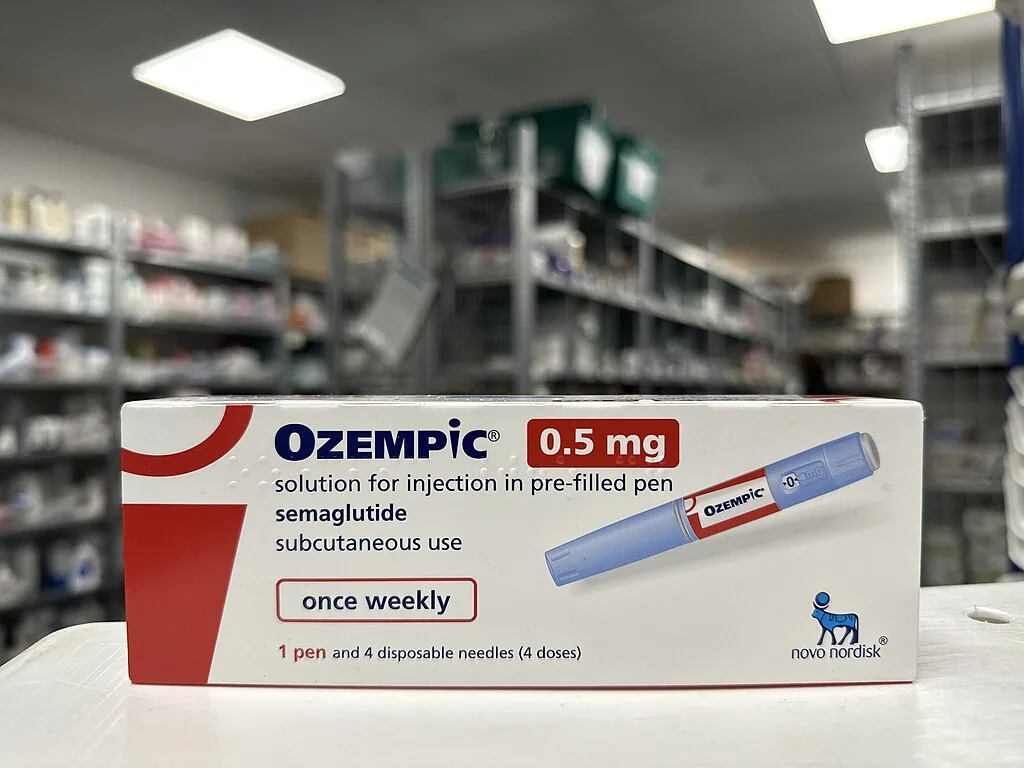
The Ozempic, Wegovy vs Mounjaro debate dominates headlines, forums, and GP conversations across the UK.
At a high level:
Wegovy (semaglutide) targets GLP-1 receptors
Mounjaro (tirzepatide) targets both GLP-1 and GIP receptors
That dual action has led to claims of greater weight loss with Mounjaro, fuelling aggressive comparisons and patient switching.
But commercially, both drugs feed the same system:
long-term use, repeat prescriptions, and sustained dependency.
Weight loss here is not a one-off treatment. For many users, stopping the drug leads to rapid weight regain, reinforcing continuous use, and continuous revenue.
Appetite suppression: More than just eating less
One of the most reported side effects is extreme appetite suppression.
Users frequently describe:
Forgetting to eat
Feeling repulsed by food
Losing interest in meals entirely
Clinically, this is expected. GLP-1 drugs blunt hunger signals.
What’s less discussed is how deeply appetite connects to daily pleasure, routine, and emotional regulation.
Food isn’t just fuel. It’s a social connection, comfort, reward, and ritual. When appetite disappears completely, something else often goes with it.
Dopamine, pleasure, and the loss of joy
Emerging discussions, both from clinicians and patient communities, suggest these drugs may affect the brain’s reward system, including dopamine signalling.
Dopamine plays a key role in:
Motivation
Pleasure
Anticipation
Enjoyment of everyday activities
Some users report that while food no longer brings pleasure, nothing else replaces it.
Online accounts increasingly describe:
Emotional flatness
Reduced excitement
Loss of enjoyment in simple activities
A general sense of numbness
While large-scale clinical data is still developing, these reports are consistent enough to raise serious questions.
If weight loss comes at the cost of joy, motivation, or emotional well-being, the trade-off deserves scrutiny, not silence.
Side effects beyond the sales pitch

Beyond appetite and mood changes, reported side effects include:
Nausea and vomiting
Diarrhoea or constipation
Fatigue
Dizziness
Muscle loss due to reduced calorie intake
Disordered eating patterns
In rare cases, more serious risks have been flagged, including gallbladder issues and pancreatitis.
Yet much of the marketing around Ozempic, Wegovy vs Mounjaro focuses on outcomes, not consequences.
This imbalance matters, especially in a system increasingly driven by private prescriptions rather than NHS oversight.
Why the UK is a perfect market?
The UK sits at the intersection of:
Rising obesity rates
NHS pressure
Long waiting lists
A booming private healthcare sector
That combination creates fertile ground for rapid commercialisation.
Private clinics offer speed. Online providers offer convenience. Monthly injections are framed as modern, efficient, and discreet.
But faster access often means:
Less psychological screening
Limited long-term monitoring
Minimal discussion of emotional side effects
In a legal and regulatory sense, this raises questions about informed consent, duty of care, and long-term accountability.
The business model behind the injection
This isn’t accidental.
Weight-loss injections succeed commercially because they:
Require ongoing use
Encourage dependency through rebound effects
Fit subscription-based healthcare models
Thrive on comparison marketing (Ozempic, Wegovy vs Mounjaro)
In short, they turn a complex social and metabolic issue into a recurring revenue stream.
Health becomes a product. Treatment becomes retention.
Ozempic, Wegovy vs Mounjaro: What patients aren’t told clearly enough

Before choosing between Ozempic, Wegovy vs Mounjaro, UK patients deserve transparency.
That means understanding:
The likelihood of long-term use
The psychological effects, not just physical ones
The impact on pleasure, motivation, and daily life
What happens after stopping
Weight loss alone is not a full outcome. Quality of life matters too.
When health and profit collide
None of this means these drugs have no place in medicine. For some patients, under strict medical supervision, they can be life-changing.
The issue is scale, speed, and silence.
When an industry grows this fast, ethical guardrails often lag behind profit. And when weight loss becomes a billion-pound business, the pressure is no longer just on bodies, it’s on individuals to accept trade-offs they were never fully warned about.
Weight loss at what cost?
As Ozempic, Wegovy vs Mounjaro continues to dominate conversations, one question matters more than comparisons or percentages:
Are we improving health, or monetising insecurity?
In the UK, where healthcare trust still matters deeply, this debate is far from over. Weight loss should never come at the expense of joy, agency, or informed choice.
And in a billion-dollar industry, those things are often the easiest to overlook.