
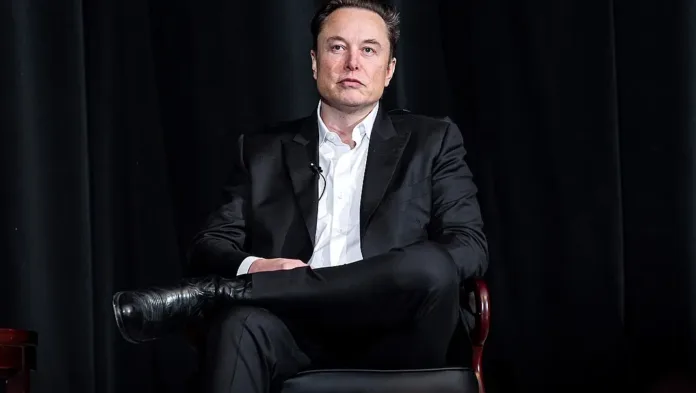


US judge dismisses X lawsuit over alleged advertising boycott by major firms
A US judge has dismissed a lawsuit brought by Elon Musk’s social media platform X, which accused major companies and advertising groups of illegally boycotting the site.
The case, filed by X Corp in 2024, alleged that a number of firms had conspired to deprive the platform of billions of dollars in advertising revenue. Companies named in the lawsuit included Unilever, Mars, Orsted and the World Federation of Advertisers (WFA).
However, US District Judge Jane Boyle ruled that X had failed to demonstrate that it suffered harm under federal competition laws. In her decision, she concluded that the claims did not meet the requirements needed to establish an antitrust violation.
The ruling marks a setback for X, which had argued that the companies acted together in a way that damaged its business. The lawsuit claimed the group had gone against their own economic interests in order to restrict advertising on the platform.
The legal action came after a significant decline in advertising revenue following Musk’s acquisition of Twitter in 2022, which was later rebranded as X.
After taking control of the platform, Musk introduced a series of changes, including reinstating accounts that had previously been suspended and easing certain content restrictions. These decisions were followed by a reduction in advertising activity, with some companies choosing to pause or scale back their spending.
Embed from Getty Images
Within a year of the takeover, advertising revenue had fallen by more than half, according to the claims made in the lawsuit.
X Corp argued that the decline was not simply the result of independent business decisions. Instead, it alleged that the companies had coordinated their actions in a way that violated US antitrust laws, which are designed to promote fair competition.
Central to the case was the role of the Global Alliance for Responsible Media (Garm), an initiative linked to the WFA. The lawsuit claimed that advertisers had followed safety standards set by the group in a way that effectively limited spending on X.
Garm has stated that its purpose is to help the industry address issues related to illegal or harmful content on digital platforms and the way such content is monetised through advertising.
The defendants denied any wrongdoing and challenged the claims in court. They argued that their decisions regarding advertising were made independently and were based on their own business considerations.
In counter-filings, they urged the court to dismiss the case, stating that X had not provided sufficient evidence to support its allegations of coordination or conspiracy.
Judge Boyle agreed with that position. In her written opinion, she noted that Garm did not operate as an intermediary that purchased advertising space from X to sell to others, nor did it direct X on how to sell advertising.
She concluded that the nature of the alleged conspiracy did not support an antitrust claim and dismissed the case with prejudice, meaning it cannot be brought again in the same form.
At the time the lawsuit was filed, Musk had expressed frustration with the situation, stating that efforts to resolve concerns had not been successful.
The dismissal of the case brings an end to X’s legal challenge against the advertisers, leaving the broader issue of declining advertising revenue unresolved.