
.jpg)

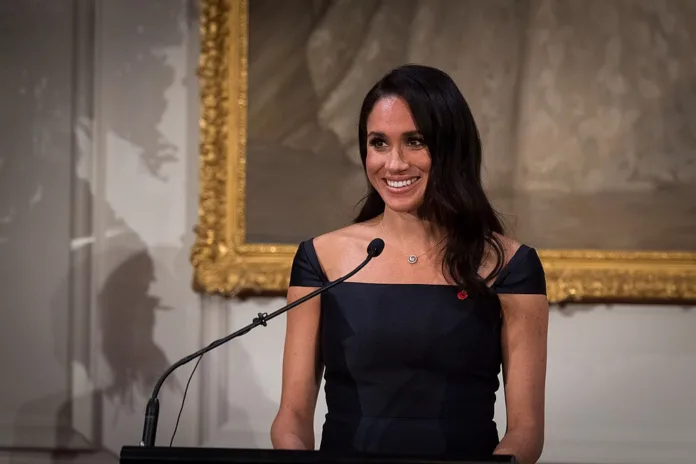
How Celeb-Backed Brands Sell in Minutes is no longer just a fashion-column phrase; it’s a measurable commercial event shaping modern brand and lifestyle buying habits. In early January 2026, a limited-edition As Ever leather bookmark reportedly sold out in seven minutes. Another As Ever launch saw a wildflower honey product sell out in five minutes, with the wider drop disappearing in under an hour.
This isn’t unique to Meghan, but she’s one of the clearest modern case studies. Data-led analysis has previously found that items linked to Meghan can drive sharp demand spikes, including claims of UK transaction increases around specific outfits. For smaller brands, a single high-profile sighting can be the difference between a quiet week and a record-breaking sell-out.
So, what’s actually happening behind the scenes, and why does it matter to UK consumers?
What is the Meghan Markle effect?
At its simplest, the Meghan Markle effect is the sudden surge in demand for products associated with Meghan, whether she wears them, uses them, or launches them as part of a brand and lifestyle project.
It typically shows up as:
- Sell-outs in minutes (because stock is limited and attention is intense)
- Search spikes and traffic surges after a public appearance
- Smaller brands are struggling to fulfil demand when they’re not built for mass-scale drops
A well-known earlier example is Strathberry, where commentary and retail reporting have long referenced the bag selling out quickly after Meghan was photographed with it.
Why celeb-backed brands sell out so fast
Celeb-backed launches don’t rely on one trick. They stack multiple psychological and commercial levers at the same time.
1) Trust transfers instantly
When a public figure with a strong personal narrative launches a product, their reputation becomes the product’s shortcut. People feel like they “know” them, even if they don’t.
With Meghan specifically, the brand positioning leans heavily into curated, aspirational home living, classic brand and lifestyle territory.
2) Scarcity is built into the business model
Limited drops are not just a supply issue; they are often a strategy. When something is framed as “limited edition” and disappears quickly, it creates:
- urgency (“buy now or miss out”)
- social proof (“everyone wants this”)
- a stronger second-wave of demand for the next drop
As Ever’s pattern of fast sell-outs on limited items has been repeatedly reported across releases.
3) Social media compresses the buying window
In the old retail world, hype built over weeks. Now it builds over hours, sometimes minutes.
One post, one tag, one “product ID” tweet from a fashion editor, and the audience moves as a herd. That’s how you get “sold out before lunch” stories, like the small jeweller reported to have seen a huge sales spike after Meghan was spotted wearing a bracelet.
The hype formula behind “sold out in minutes” launches
Whether it’s Meghan or another celebrity, the sell-out pattern usually follows the same playbook.
The three-stage engine
- Attention: press coverage, social posts, speculation, “soft launch” chatter
- Conversion pressure: countdowns, waitlists, limited quantities, “drop” language
- Amplification: screenshots of sold-out pages, unboxing videos, resale listings
That cycle is why brand and lifestyle launches can outperform established retailers for speed, even when the product range is smaller.
The Meghan Markle effect in numbers and examples
Here are a few factual data points frequently cited in coverage and analysis:
- A Consumer Edge analysis reported sharp transaction increases tied to items Meghan wore, including a claim of nearly 60% higher transactions in the UK for one featured dress after an appearance.
- A brand executive quoted in media coverage described beating sales forecasts and seeing major traffic jumps after Meghan wore their product.
- As Ever launches have been reported as selling out rapidly, including five minutes for a honey product and seven minutes for a limited bookmark.
The takeaway: speed isn’t always about huge volume; it’s often about intense demand colliding with controlled supply.
What this means for UK consumers
The Meghan Markle effect is interesting, but it also creates real-world friction for shoppers.
Common issues buyers face
- Impulse purchases driven by urgency, not need
- Checkout failures and accidental duplicate orders
- Delayed fulfilment if demand overwhelms logistics
- Refund confusion, especially when brands operate internationally
And because the target audience is UK individuals, the consumer angle matters. If you’re buying from a celebrity brand, always check:
- where the company is based
- delivery times and courier options
- Returns process and who pays return shipping
- taxes/duties if shipping from outside the UK
A quick UK legal checklist before you buy
This is where the UK legal niche comes in. If a product is selling out in minutes, you’re more likely to buy fast, which makes basic legal/consumer protections more important, not less.
Use this 6-point checklist
- Confirm the trader details (company name, contact, and address)
- Read the returns policy before checkout, not after
- Screenshot your order confirmation and any delivery estimate
- Check payment protection (credit card protections can be stronger than debit in some cases)
- Watch for subscription traps (some lifestyle brands push “auto-ship” style models)
- Keep a paper trail if you need to dispute late delivery or non-delivery
This is simple, but it’s what protects you when hype buying turns into admin.
How brands engineer “minutes-to-sell-out” success
If you’re analysing brand and lifestyle marketing for business or content, here’s what actually drives the outcome.
The most common levers
- Limited SKUs (fewer products, clearer demand focus)
- Small batch inventory (intentional scarcity or early-stage supply constraints)
- High aesthetic control (premium visuals, curated storytelling)
- Community-first selling (email waitlists, “VIP access”, early drops)
- PR designed for headlines (“sold out in 5 minutes” is content)
In other words: Selling out isn’t just a result, it’s often part of the strategy.
The risk: Hype without infrastructure

There’s a flip side to the Meghan Markle effect: if brands lean too hard on scarcity and attention, you can get:
- customer frustration
- accusations of “fake sell-outs” or stock manipulation
- reputational damage when fulfilment can’t keep up
Some recent reporting around As Ever has included discussion about inventory visibility and stock limitations during early phases. Whether the shortage is strategic or operational, the outcome is the same for shoppers: you often don’t get a second chance.
What UK shoppers should do instead of panic-buying
If you want to enjoy the fun of celebrity drops without getting stung, use a calmer system.
A practical 5-step approach
- Decide your max spend before the drop goes live
- Check returns + delivery in advance (yes, even for small items)
- Avoid buying on shaky Wi-Fi (failed payments cause headaches)
- Buy one item first, then consider bundles later
- If it sells out, walk away. The next drop will come, and FOMO fades fast
This keeps you in control, even when the internet is screaming “LAST CHANCE”.
Key takeaway
How celeb-backed brands sell in minutes sits at the intersection of celebrity influence, scarcity marketing, and modern e-commerce behaviour. The proof is visible in repeated reports of ultra-fast sell-outs, plus data and brand commentary showing spikes in demand linked to Meghan’s public appearances and launches.
For UK consumers, the smartest move is enjoying the brand and lifestyle buzz while protecting yourself with basic buying checks. Because when something sells out in minutes, the biggest risk isn’t missing out, it’s rushing in and regretting it later.t later.