
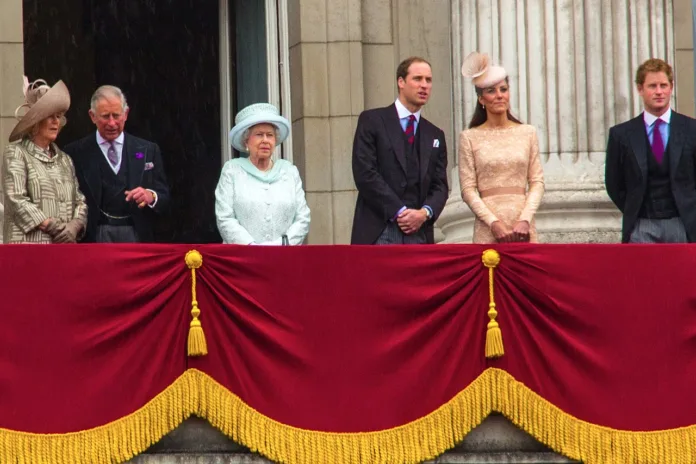


The British monarchy was never meant to feel uncertain. For generations, it stood as something fixed, almost untouchable, woven so deeply into national identity that questioning it felt unthinkable.
Now, that certainty is starting to crack.
As King Charles takes the throne once defined by Queen Elizabeth II, he steps into a very different Britain, one that no longer offers quiet loyalty but asks harder questions. The Crown still stands, but the confidence around it doesn’t feel quite as solid.
So what’s really changed, and why does the monarchy feel more uncertain than ever? Let’s take a closer look.
A crown once beyond question
There was a time when the British monarchy felt almost untouchable. The late Queen Elizabeth II embodied stability, duty, and continuity, earning respect across political and generational divides.
The royal family represented more than ceremony. It was a symbol of national unity, tradition, and quiet authority. Criticism existed, but it rarely broke into mainstream discourse with real force.
That deference has changed.
A shift in public mood
Since the Queen’s passing, public perception of the British royals has become more divided. Respect remains, but it is no longer automatic.
Several factors have contributed to this shift:
- Greater media scrutiny of the royal household
- Increased transparency around public spending
- A more vocal, digitally connected public
- Changing cultural values in modern Britain
The monarchy is no longer viewed purely through tradition. It is being measured against relevance, accountability, and value.
King Charles and the weight of expectation
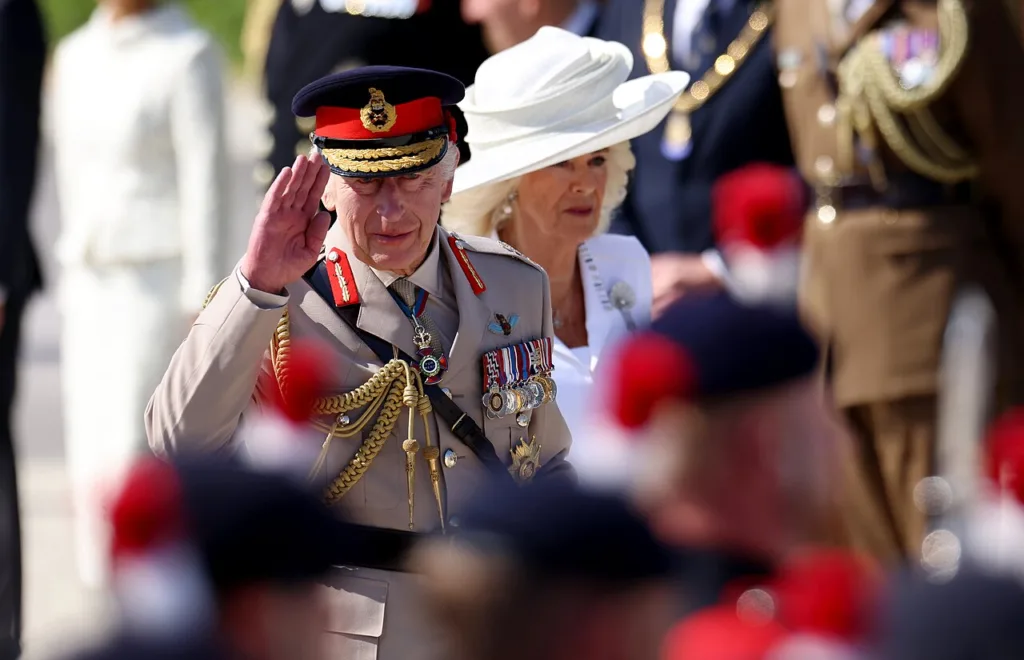
For King Charles III, the challenge is uniquely complex. He spent decades preparing for the role, yet stepping into it has exposed a different reality.
Unlike his mother, King Charles does not benefit from decades of built-up public goodwill. His reign begins under a microscope, where every decision is analysed through a modern lens.
He has attempted to position himself as a forward-thinking monarch with long-standing interests in climate change, sustainability, and architecture. Yet for some, these efforts feel either outdated or insufficient in addressing deeper concerns about the monarchy’s place in society.
Scandals that shook the institution
The monarchy’s struggle with relevance is not happening in isolation. It is closely tied to controversies that have eroded public trust.
Two major flashpoints stand out:
- Prince Andrew’s association with Jeffrey Epstein, which significantly damaged the royal family’s reputation
- The ongoing tensions involving Prince Harry and Meghan Markle, which exposed internal divisions to a global audience
These events shifted the narrative. The royal family began to appear less like a symbol of unity and more like an institution grappling with its own internal crises.
For many, the idea of the monarchy as morally untouchable no longer holds.
The cost of the crown
One of the most persistent criticisms revolves around money. The Sovereign Grant, which funds the monarchy, continues to spark debate over whether the institution justifies its cost to taxpayers.
Supporters argue:
- The monarchy boosts tourism and global interest in Britain
- It provides soft power on the international stage
- It maintains historical continuity
Critics counter:
- Public funds could be better spent elsewhere
- The financial benefits are often overstated
- The institution lacks transparency
This financial question sits at the heart of the monarchy relevance debate, especially during a time of economic pressure across the UK.
A generational divide
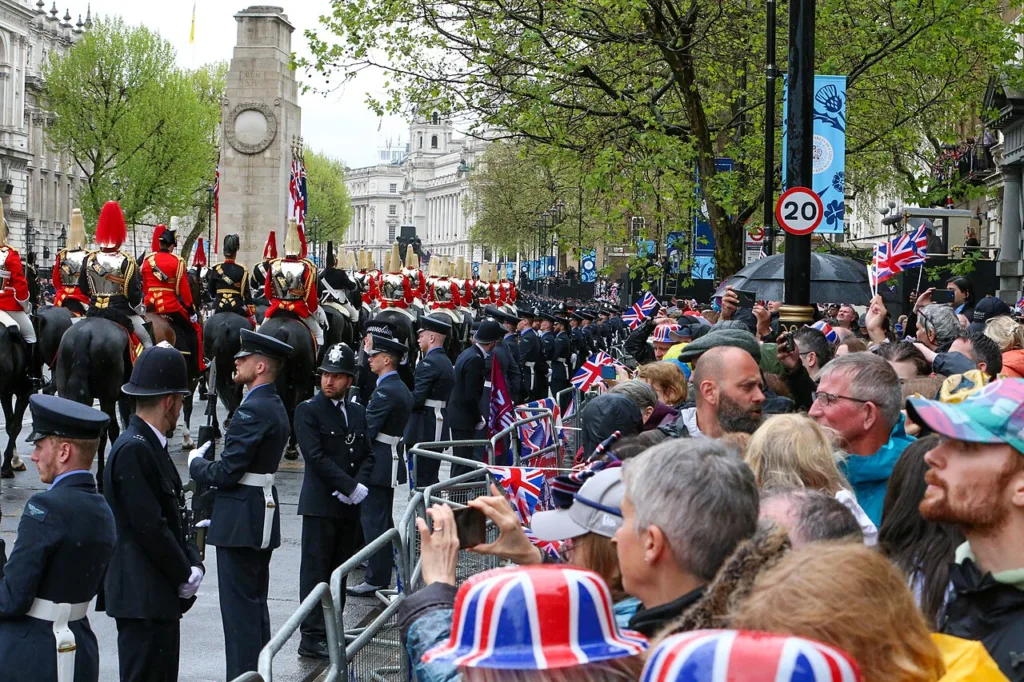
Perhaps the most telling shift is generational. Younger Britons are significantly less attached to the monarchy than older generations.
Surveys consistently show that:
- Support for the monarchy declines sharply among under-35s
- Republican sentiment is growing, even if it is not yet dominant
- Many younger people feel disconnected from royal traditions
For them, the monarchy is not a symbol of stability. It is often seen as outdated, distant, or irrelevant to their daily lives.
This presents a long-term challenge that King Charles cannot ignore.
Attempts at modernisation
The royal family is not unaware of these pressures. In recent years, there have been visible efforts to adapt:
- A “slimmed-down” monarchy, focusing on fewer working royals
- Greater engagement through digital platforms
- Increased emphasis on social and environmental causes
- A more informal public image
King Charles has played a role in shaping this direction, advocating for a more streamlined and purposeful royal household.
Yet modernisation has its limits. The monarchy’s core structure, hereditary, unelected, and symbolic, remains unchanged. For critics, this raises a fundamental question: can the institution truly evolve without losing its identity?
Can the monarchy stay relevant?
At its core, the debate is not about whether the monarchy exists, but whether it still matters.
Relevance today is measured differently. It is no longer enough to represent tradition. Institutions are expected to demonstrate value, accountability, and connection.
The monarchy faces pressure on multiple fronts:
- Cultural, staying meaningful in a diverse, modern Britain
- Political, remaining neutral while under public scrutiny
- Financial, justifying its cost
- Generational, appealing to younger audiences
This is the landscape King Charles III must navigate.
The future under King Charles
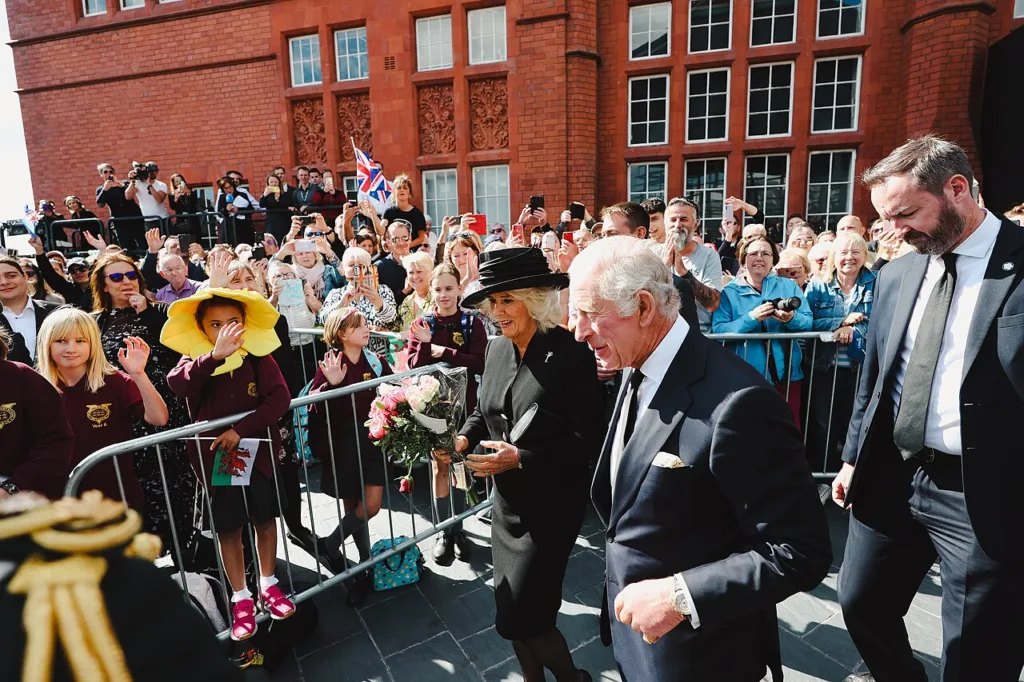
The future of the British monarchy will not be decided overnight. It will unfold gradually, shaped by public opinion, political context, and the actions of the royal family itself.
There are three possible directions:
- Stability, the monarchy maintains its role with modest reforms
- Transformation, it evolves into a more transparent, modern institution
- Decline, public support continues to erode over time
Much depends on whether King Charles can redefine what the Crown represents in the 21st century.
The monarchy at a crossroads
The monarchy is still standing, but its position is no longer secure.
For generations, it existed beyond question. Today, it faces one of the most important tests in its history, not survival, but significance.
And at the centre of that question stands King Charles, tasked with proving that an ancient institution can still find its place in a rapidly changing Britain.