

.jpg)

Jeffrey Epstein’s island gave the public a single, terrible image to hold on to, a private Caribbean nest that made the scandal feel contained. That visual shorthand shaped headlines, documentaries and social conversation for years.
But the latest public disclosures and reporting suggest the island was only one piece of a sprawling puzzle, and in some cases a convenient distraction from activity that allegedly reached farther and closer to home. As renewed attention turns to what are the Epstein files, it is becoming increasingly clear that the island was never the whole story.
The island was visible. The system was not.
How the island became the story
Media narratives favour clarity. A single place is easier to explain than a web of properties, jurisdictions, and relationships.
Jeffrey Epstein’s island provided:
- A dramatic setting
- A sense of isolation
- A way to contain the story
It allowed the case to be framed as something exceptional and remote, rather than systemic and embedded. That framing shaped how the public understood the scandal and what questions were asked.
What the island obscured
Epstein did not operate from one place alone. Court records, flight logs, and witness statements show that he owned and used multiple properties and travelled frequently.
The case involved:
- Residences in several US states
- International travel
- A network of associates and enablers
When attention narrows to Jeffrey Epstein’s Island, these broader patterns become secondary. The scandal feels like an anomaly instead of a failure that unfolded across years and institutions.
Zorro Ranch and the locations are raising questions
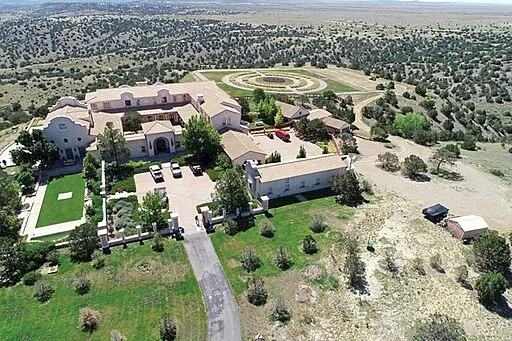
One location that continues to resurface is Epstein’s Zorro Ranch in New Mexico.
Unlike the island, the ranch sat within US jurisdiction. It appears in legal filings and survivor accounts, and it challenges the idea that Epstein’s activities were confined offshore. This is why online discussion often contrasts the island with the ranch, not because every claim is proven, but because the ranch disrupts the “remote island” narrative.
As people search for what are the Epstein files are, they often encounter references to locations beyond the island, reinforcing the sense that public focus may have been too narrow.
The Epstein files and why they fuel speculation
The term “Epstein files” does not refer to one document, but to a growing body of court records, depositions, emails, and exhibits released through civil litigation and judicial processes.
These files reveal fragments rather than closure:
- Names without outcomes
- Locations without full timelines
- Allegations without trials
This partial visibility explains why interest keeps returning, and why speculation thrives in the gaps.
Why conspiracy theories persist
Online spaces such as Reddit and Facebook are filled with theories about the Epstein case. These range from claims about hidden crimes at properties like Zorro Ranch to beliefs that the released files were deliberately incomplete.
It is crucial to be clear: Many of these claims are unproven and should not be treated as fact. What matters is why they persist.
They exist because:
- Epstein died before the trial
- Many records remain sealed
- Accountability feels incomplete
- Explanations appear fragmented
When transparency is partial, speculation fills the silence.
The idea of deliberate distraction
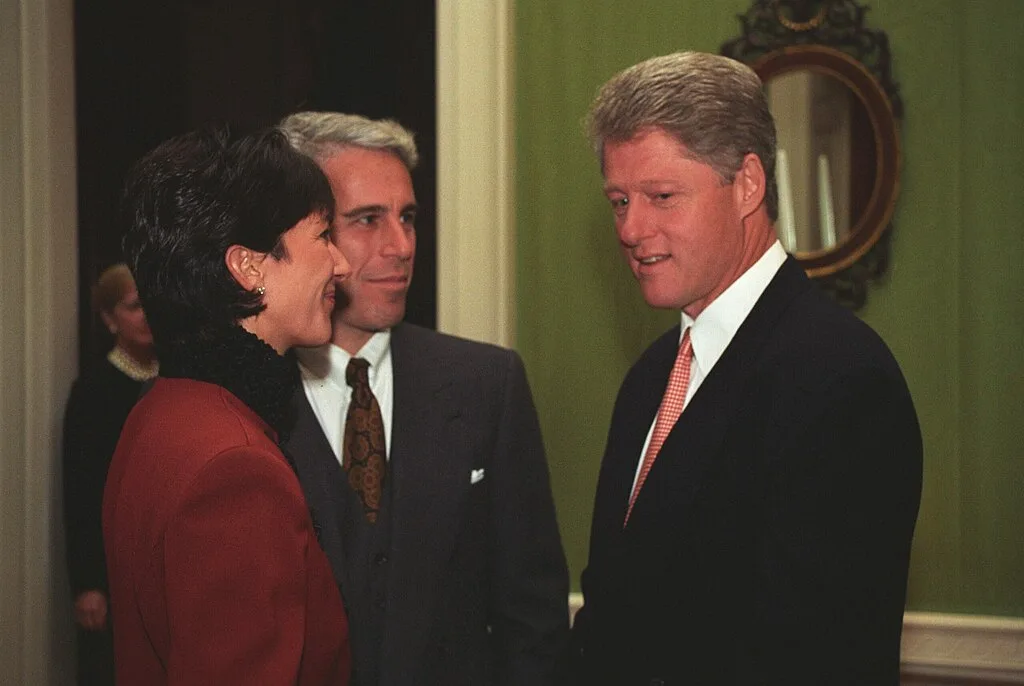
One of the most common beliefs online is that Jeffrey Epstein’s island became the focus because it simplified the story.
According to this view:
- A single location absorbed public anger
- Broader institutional questions escaped scrutiny
- The narrative stayed dramatic but shallow
Whether intentional or not, the effect was real. The island dominated attention, while deeper questions about oversight, influence, and failure remained largely unresolved.
Power, proximity, and why accountability stalled
The Epstein case was never just about geography. It was about power.
Wealth, social access, and legal leverage shaped how complaints were handled and delayed. This is why the case continues to resonate, and why interest in what are the Epstein files has not faded.
The focus on one island allowed the system around Epstein to remain less examined than it should have been.
Why this matters for UK readers
For UK audiences, the lesson is not about a foreign island. It is about how narratives narrow and how institutions respond when powerful figures are involved.
High-profile symbols can dominate public attention while slow, administrative failures remain hidden. That pattern is not unique to this case, and it is why understanding the bigger picture matters.
The island was the image, not the mechanism
Jeffrey Epstein’s island became the symbol of the scandal, but symbols are not systems.
The files released so far, the renewed focus on locations like Zorro Ranch, and the persistence of unanswered questions all point to the same conclusion: the island distracted us from how the case actually functioned.
The most important truths are rarely the most visible ones.
Until attention shifts from the image to the structure, the bigger picture will remain incomplete, and so will accountability.