
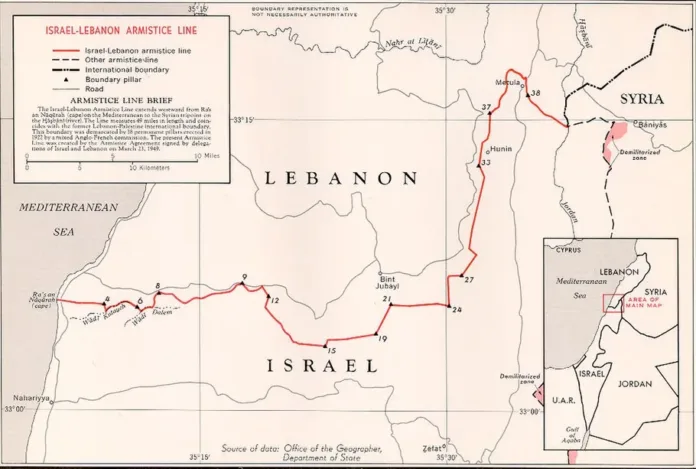


Iran-Israel tensions reached a new peak in 2026, drawing global attention to the escalating confrontation between the two regional rivals. The crisis involved missile strikes, proxy clashes across the Middle East, and renewed fears over nuclear escalation.
According to data from the Armed Conflict Location & Event Data Project (ACLED), the Middle East recorded thousands of conflict incidents linked to Israel, Iran, and their proxies in recent years, with Lebanon frequently emerging as a flashpoint. Hezbollah, the Iran-backed group based in Lebanon, possesses an estimated 150,000 rockets and missiles, according to Israeli defence assessments.
While much of the international focus has centred on the Iran-Israel confrontation, some analysts have raised a different question: could the spotlight on Iran have also served as a strategic distraction from developments along Israel’s northern border with Lebanon?
This theory, sometimes described by commentators as a “grand decoy”, suggests that the intense attention on Iran may have masked a broader military and geopolitical recalibration in the region.
Understanding the Iran-Israel strategic rivalry
The rivalry between Iran and Israel has shaped Middle Eastern geopolitics for decades. Although the two countries rarely engage in direct warfare, their confrontation has played out through intelligence operations, cyber attacks, and proxy conflicts.
Key drivers of the Iran-Israel conflict include:
- Iran’s expanding influence across the Middle East
- Israel’s concern over Tehran’s nuclear ambitions
- Iranian support for armed groups such as Hezbollah
- competing regional alliances involving global powers
These tensions have created a volatile environment where military incidents can rapidly escalate.
Lebanon: The quiet frontline of the conflict
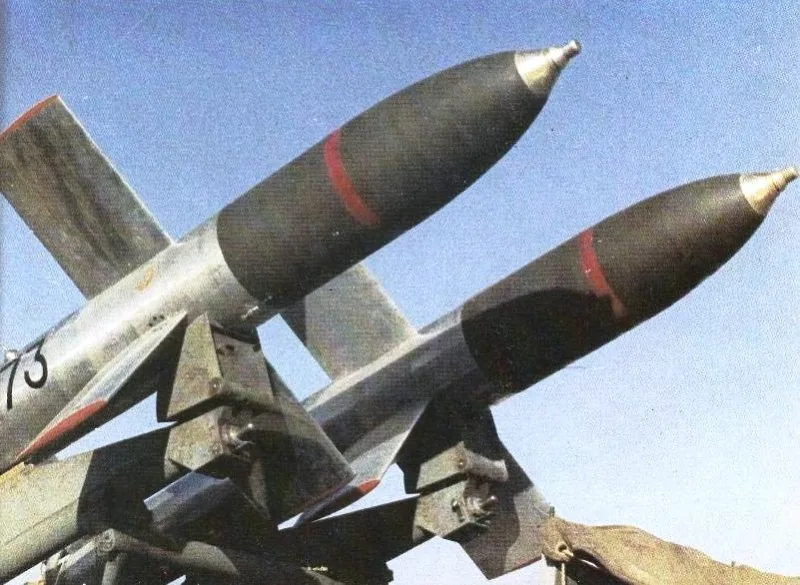
While Iran is often portrayed as Israel’s primary adversary, Lebanon has long been a central theatre in the broader Iran-Israel tensions.
Hezbollah, the powerful Lebanese militant and political organisation, has been Israel’s most immediate security threat for years.
Several factors make Lebanon strategically significant:
- Hezbollah’s extensive missile arsenal aimed at Israel
- proximity to Israel’s northern border
- deep Iranian military and financial support for Hezbollah
- the potential for a large-scale regional war if fighting escalates
Because of these dynamics, Israeli defence planners have repeatedly warned that the next major conflict could originate in Lebanon rather than Iran itself.
What analysts mean by the “grand decoy”
The phrase “grand decoy” has appeared in some geopolitical commentary discussing the events of 2026. The concept refers to a strategic situation where public attention is focused on one major threat while military preparations occur elsewhere.
In theory, a decoy strategy could involve:
- emphasising a high-profile confrontation with Iran
- increasing diplomatic and media focus on nuclear tensions
- simultaneously strengthening military positioning along the Lebanese front
It is important to stress that this interpretation remains a theory debated by analysts, rather than a confirmed military strategy.
Why Iran dominates the global narrative
The Iran-Israel confrontation attracts global attention for several reasons.
1. Nuclear concerns
Iran’s nuclear programme has been one of the most closely monitored issues in international security. The International Atomic Energy Agency has repeatedly assessed Iran’s uranium enrichment activities, while Western governments fear the potential development of nuclear weapons capability.
2. Global strategic stakes
Any direct Iran-Israel war could involve the United States and other regional powers, raising the risk of a wider Middle Eastern conflict.
3. Energy market impact
Iran sits near the Strait of Hormuz, a critical global oil transit route through which roughly 20 per cent of the world’s oil supply passes. Escalation involving Iran, therefore, carries global economic implications.
Because of these factors, the Iran-focused narrative naturally dominates international headlines.
The strategic importance of Hezbollah
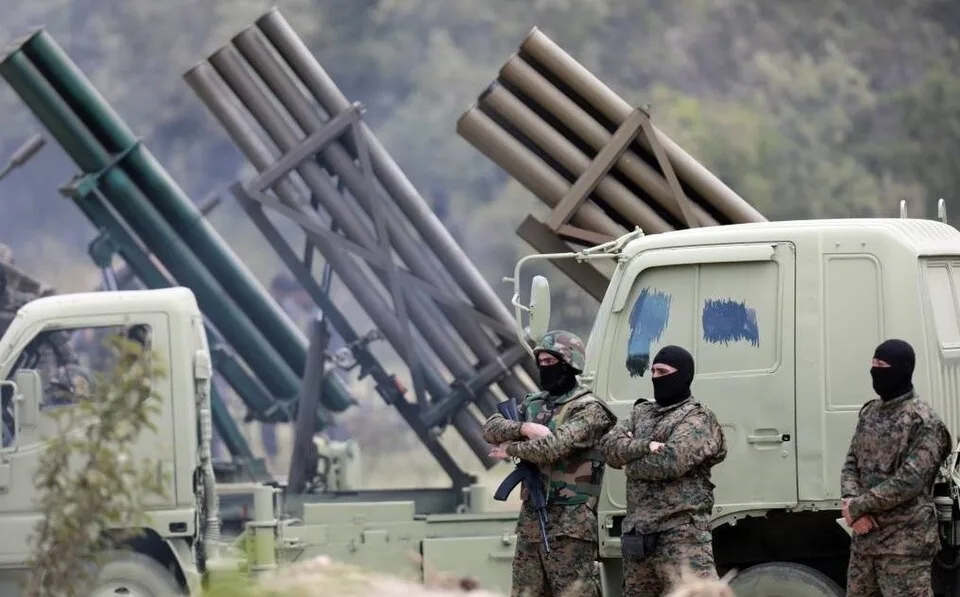
To understand why Lebanon remains central to the Iran-Israel conflict, it is necessary to examine Hezbollah’s role.
Hezbollah is widely considered the most powerful non-state military force in the Middle East. It receives significant backing from Iran, including funding, weapons, and training.
Hezbollah’s capabilities include:
- large rocket and missile stockpiles
- sophisticated drone technology
- experienced fighters trained in Syria and other conflict zones
From Israel’s perspective, Hezbollah represents the most immediate conventional military threat on its borders.
Independent commentary and media debate
Before the midpoint of this analysis, discussions around the Iran-Israel rivalry have also appeared in independent media and political commentary.
Some commentators, including media figures such as Tucker Carlson, have suggested that geopolitical narratives surrounding Iran may sometimes overshadow developments in Lebanon or other regional theatres.
These viewpoints often argue that public discourse can focus heavily on one major storyline while other strategic shifts receive less attention.
However, such interpretations remain contested and should be viewed as part of a wider debate rather than an established consensus.
Israel’s military doctrine and northern strategy
Israel’s military doctrine places heavy emphasis on deterrence and pre-emptive action.
In the context of the Iran-Israel tensions, Israeli defence planning has frequently highlighted the possibility of a large-scale confrontation with Hezbollah.
Israeli security assessments often prioritise several objectives:
- Preventing Hezbollah from expanding its missile capabilities
- Limiting Iranian military presence near Israel’s borders
- Maintaining strategic superiority in northern Israel
- Avoiding a multi-front war involving Gaza, Lebanon, and Iran simultaneously
These priorities help explain why developments in Lebanon remain closely linked to the broader Iran-Israel strategic rivalry.
The risks of a Lebanon escalation
If tensions between Israel and Hezbollah were to escalate into full conflict, the consequences could be severe.
Analysts warn that a Lebanon war could involve:
- thousands of missile strikes on Israeli cities
- widespread destruction across Lebanon
- disruption to global energy markets
- international diplomatic intervention
Because Hezbollah operates as part of Iran’s regional network, any Lebanon conflict would inevitably become intertwined with the Iran-Israel confrontation.
Information warfare and strategic narratives

Modern geopolitical conflicts are shaped not only by military actions but also by competing narratives.
In the case of the Iran-Israel conflict, governments, analysts, and media organisations often interpret events through different strategic lenses.
Information warfare can involve:
- shaping public perceptions of threats
- emphasising certain conflicts over others
- influencing diplomatic support from allies
This narrative competition helps explain why debates about the “grand decoy” theory continue to circulate among analysts.
Why the debate matters for the UK
For UK audiences, the Iran-Israel tensions carry important implications.
Potential impacts include:
- rising energy prices linked to Middle Eastern instability
- security concerns affecting international travel and trade
- diplomatic challenges for NATO and Western alliances
The UK government has consistently urged restraint in the region while maintaining support for Israel’s security and international efforts to limit nuclear proliferation.
Strategy, perception, and the future of the conflict
As the Iran-Israel confrontation continues to evolve, analysts remain divided over whether the focus on Iran masks deeper strategic calculations involving Lebanon.
There is currently no confirmed evidence that Israel deliberately used Iran as a decoy to shift military focus northwards. However, the structure of the conflict, with Iran supporting Hezbollah and other regional allies, ensures that developments in Lebanon remain inseparable from the broader Iran-Israel rivalry.
For policymakers, journalists, and observers in the UK, the key lesson is clear. Middle Eastern conflicts rarely follow a single narrative. They unfold across multiple fronts, with diplomacy, military strategy, and information warfare shaping events simultaneously.
Understanding these overlapping dynamics will be essential as the region navigates one of the most complex geopolitical confrontations of the modern era.