


Ministers reverse decision to delay 30 council elections after legal warning
The government has dramatically reversed its decision to delay 30 council elections in England after being advised that the move could be unlawful.
Local Government Secretary Steve Reed had previously approved plans to postpone the ballots until 2027. The justification centred on concerns from some councils about the cost and practicality of running elections for authorities that are due to be abolished under a sweeping reorganisation of local government.
But the decision has now been scrapped.
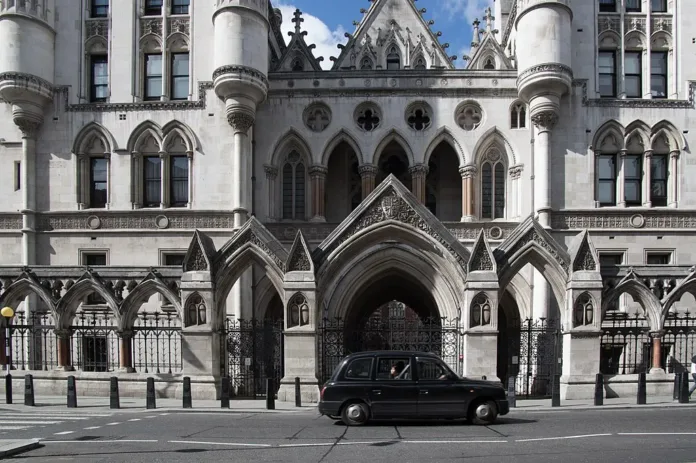
In a letter to council leaders, Reed confirmed that the government had written to the High Court to withdraw the original ruling. The reversal came just days before a legal challenge, brought by Reform UK, was due to be heard.
The statement explained that the housing minister, who was not involved in the initial decision-making, had been asked to reconsider the matter urgently. After reviewing the position, the minister concluded that the elections should proceed in May 2026 as originally scheduled.
The abrupt climbdown followed fierce criticism from opposition parties, which had branded the proposed delays undemocratic. Reform UK, led by Nigel Farage, had launched a judicial review, arguing the postponement was unlawful.
Writing on X, Farage declared victory. “We took this Labour government to court and won,” he said. He accused Sir Keir Starmer’s government of attempting, “in collusion with the Tories”, to prevent 4.6 million people from voting on May 7.
Embed from Getty Images
Farage went further when questioned by BBC London, suggesting that if a government minister does something illegal, resignation should follow. He had earlier described the approval of the delays as “clearly unlawful”.
As part of the settlement, the government has agreed to cover Reform’s legal costs relating to the proceedings. A party source indicated that the bill would amount to at least £100,000.
The original plan to delay the elections formed part of a broader restructuring of local government across England. Ministers have argued that merging and abolishing certain authorities would create more efficient systems. However, councils facing reorganisation had raised concerns about the strain of conducting elections for bodies that might soon cease to exist.
Reed acknowledged those pressures in his letter. He said many councils undergoing reform had voiced “genuine concerns about the pressure they are under” as the changes take shape. To ease that burden, the government pledged an additional £63m in funding to the 21 areas affected.
Despite that financial support, ministers ultimately accepted that pushing back the elections carried a significant legal risk. With tight timelines and a High Court hearing imminent, the decision to retreat appears to have been taken swiftly.
The episode marks an uncomfortable moment for the government. Reed had defended the delays as practical and necessary in light of structural reform. Now, the ballots will go ahead as planned, and the political fallout is likely to continue.
For opposition parties, the reversal offers an opportunity to frame the government as having overstepped its authority. For ministers, the focus will shift back to managing the complex reorganisation of councils while ensuring elections proceed smoothly in May.
What began as an administrative adjustment has ended as a legal and political flashpoint. Voters in the affected areas will now head to the polls on schedule, after a proposed delay that unravelled under legal scrutiny.