

The monarchs host Holocaust survivors and families to confront the legacy of genocide in Britain
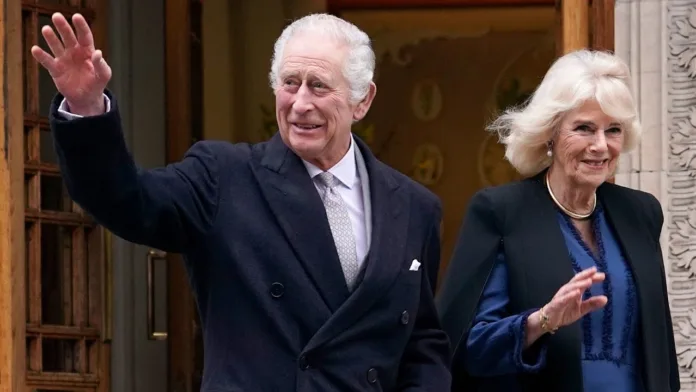
The King and Queen marked Holocaust Memorial Day by hosting a solemn reception at Buckingham Palace, bringing together Holocaust survivors, their families and organisations dedicated to preserving the memory of genocide and persecution.
Holocaust Memorial Day takes place every year on 27 January, marking the anniversary of the liberation of Auschwitz-Birkenau. The day commemorates the six million Jewish people murdered during the Holocaust, alongside the millions of others killed under Nazi persecution. This year’s observance carried renewed urgency as survivors and younger generations gathered under one roof to ensure history is neither forgotten nor distorted.
The theme for Holocaust Memorial Day 2026 was Bridging Generations, a message focused on passing lived memory to those who did not witness the atrocities firsthand. It encourages young people to listen to survivor testimony, understand its relevance today and carry those lessons into the future.
During the reception, the King joined Holocaust survivors and their families to view portraits of seven individuals who have dedicated their lives to Holocaust awareness and education. These paintings were commissioned by His Majesty when he was Prince of Wales and are currently displayed in the East Wing of Buckingham Palace. Each portrait stands as a visual record of survival, loss and resilience.
The viewing offered a moment of quiet reflection. Survivors stood alongside family members, some representing multiple generations shaped by trauma, displacement and remembrance. The portraits symbolised more than honour. They reflected a responsibility to speak while voices remain and to listen while there is still time.
Following the viewing, the King and Queen met representatives from organisations working to educate future generations about the Holocaust. These groups focus on survivor testimony, educational programmes and national remembrance initiatives aimed at countering denial and misinformation.
His Majesty serves as patron of the Holocaust Memorial Day Trust, the charity established by the UK government to support Holocaust Memorial Day across the country. Since its inception, the day has been marked by a national commemorative ceremony and thousands of local events, reaching millions of people annually.
Her Majesty also viewed Anne Frank: Resistance, a portrait of Anne Frank by artist Peter Sacks. The painting presents Anne Frank not only as a victim of genocide but as a symbol of courage, youth and defiance in the face of systematic hatred.
As survivor numbers decline, Holocaust Memorial Day has taken on increased significance. The focus on bridging generations reflects growing concern that the Holocaust could slip from living memory into abstraction. Educators and survivors alike warn that remembrance must be active, not ceremonial.
The government-backed organisations present at the reception work to ensure that history is taught accurately and that the consequences of hatred, antisemitism and extremism are clearly understood. Their work extends beyond remembrance, addressing the dangers of prejudice in modern society.
By opening Buckingham Palace to survivors and educators, the King and Queen reinforced the importance of remembrance at the highest level of national life. The reception was not only an act of commemoration, but a reminder that the lessons of the Holocaust remain painfully relevant.
Holocaust Memorial Day stands as a warning as much as a tribute. The presence of survivors within the palace walls served as a stark reminder that genocide is not ancient history, but a lived reality whose consequences continue to shape families, communities and the world today.