
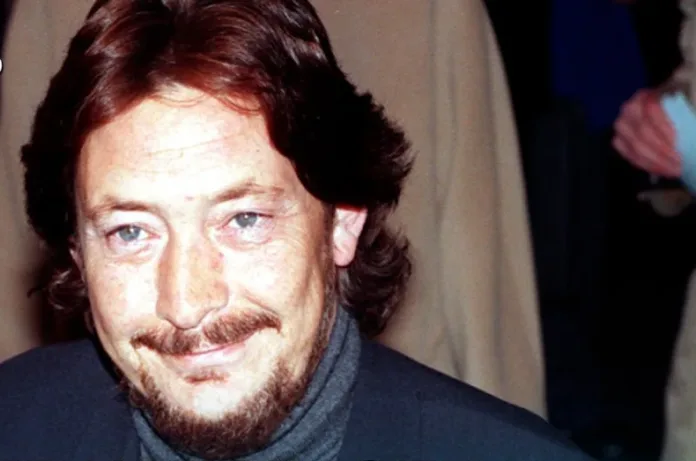

The beloved singer behind britain’s most enduring Christmas song dies peacefully aged 74
Britain has lost one of its most recognisable musical voices just days before Christmas, with the death of Chris Rea at the age of 74.
The singer-songwriter, whose music has accompanied millions on winter journeys home, died peacefully in hospital on Monday following a short illness, his family confirmed. He was surrounded by his loved ones at the time of his death.
In a statement released on behalf of his wife and two children, the family said: “It is with immense sadness that we announce the death of our beloved Chris. He passed away peacefully in hospital earlier today following a short illness, surrounded by his family.”
Born in Middlesbrough, Rea built a career that spanned nearly five decades, blending blues, rock and soulful storytelling into a sound that became unmistakably his own. While his catalogue includes a string of major hits, his legacy is inseparable from one song that has become woven into the fabric of British Christmas.
Driving Home For Christmas has long been a fixture of the festive season, played endlessly on radios, playlists and car stereos as families make their way home for the holidays. First released in 1986 as a B-side to the single Hello Friend, the song grew slowly before being re-recorded in 1988 and embraced as a seasonal classic.
The track reached a new peak of popularity decades later, climbing to number 10 on the UK charts in 2022 and returning once again during the 2025 Christmas chart run, where it placed inside the top 30. Few songs have achieved such longevity while remaining so emotionally resonant.
Rea once explained that the song came from a difficult moment in his life. Speaking in a 2020 television appearance, he recalled writing it while unemployed, newly banned from driving and facing professional uncertainty. A car journey home with his wife Joan became the inspiration for lyrics that would later comfort millions.
Away from Christmas, Rea enjoyed enormous success throughout the late 1970s and 1980s. He first broke through with Fool (If You Think It’s Over), a track that earned him a Grammy nomination and announced him as a major new talent. Further hits followed, including Let’s Dance and The Road To Hell, songs that showcased his gravelly voice and reflective songwriting.
Two of his studio albums, The Road To Hell and Auberge, both reached number one in the UK, cementing his status as one of Britain’s most successful recording artists of the era. His debut album, Whatever Happened To Benny Santini?, released in 1978, marked the start of a career that resisted industry pressures and remained fiercely personal.
Rea’s life was also marked by serious health challenges. He was diagnosed with pancreatic cancer in 2001 and underwent surgery to remove his pancreas. In 2016, he suffered a stroke, further limiting his ability to tour and record, though he remained deeply connected to music.
Tributes are expected to pour in from across the music world as fans reflect on the soundtrack he provided to countless lives. For many, his passing will forever be tied to the quiet moment when headlights stretch across motorways and a familiar voice sings of getting home for Christmas