
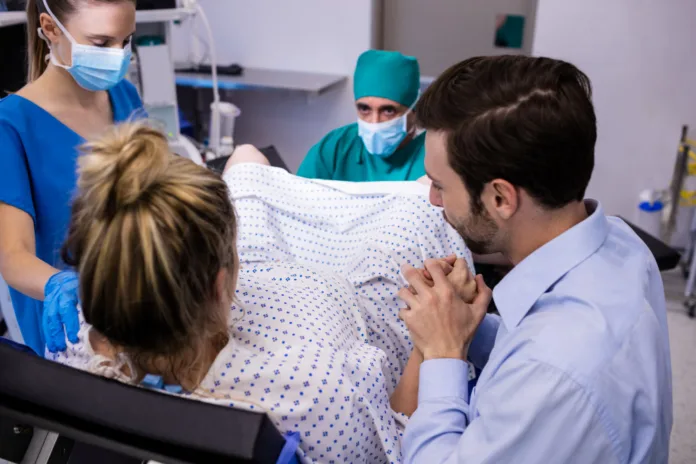

New NHS figures show caesareans overtaking natural birth for the first time in England
For generations, natural birth was considered the default. Caesarean sections were once whispered about as a last resort or dismissed with the cutting phrase “too posh to push”. That idea has now collapsed entirely. In modern Britain, surgical birth has moved from the margins to the mainstream.
New figures published by NHS Digital reveal that caesarean sections have overtaken unassisted vaginal births in England for the first time on record. In 2024–25, 45.1 per cent of mothers delivered by C-section, compared with 43.8 per cent who gave birth naturally. The remaining 11 per cent involved assisted vaginal deliveries using forceps or ventouse suction.
The shift marks a dramatic change in how women give birth, and it has unfolded rapidly. Less than 15 years ago, caesareans accounted for around a quarter of births. Today, they are the single most common method of delivery.
Medical experts say there is no single explanation. Instead, the rise reflects a complex mix of changing demographics, evolving clinical practice, and shifting attitudes towards childbirth itself.
Maternal age plays a role. Women are having children later, and older mothers are more likely to experience conditions such as high blood pressure or diabetes, which increase the likelihood of surgical delivery. Obesity also raises the risk. Consultant obstetrician Dr Pat O’Brien, vice president of the Royal College of Obstetricians and Gynaecologists, says both factors are well established.
Yet many specialists argue these explanations only scratch the surface. Professor Soo Downe, a leading midwifery academic, points out that average maternal age has risen by only about a year over the past decade, while body mass index has increased only slightly. Over the same period, caesarean rates have surged.
Embed from Getty Images
International comparisons also raise questions. Countries such as Sweden have similar maternal age profiles but far lower caesarean rates, alongside better outcomes for stillbirth and neonatal mortality. That suggests deeper structural and cultural forces are at work in England.
One of the most significant changes is choice. Two decades ago, women requesting a caesarean without a clear medical reason were routinely refused. That approach has shifted. Today, clinicians are encouraged to discuss all options and support informed decision-making.
Dr O’Brien says this represents a fundamental change in philosophy. Women are now given more autonomy, and for some, surgery feels like the safer or more controlled option.
Policy may also be influencing behaviour. Many women report frequent discussions about the induction of labour during pregnancy. For some, the prospect of a long, medically managed induction feels more daunting than a planned caesarean.
Trust in maternity services has also been shaken. High-profile failures, traumatic birth stories and personal experiences have left some women fearing labour rather than embracing it. For those who have previously endured difficult births, surgery can appear to offer certainty and protection.
The data show that both planned and emergency caesareans are rising. In 2024–25, 20 per cent of births were planned caesareans and 25.1 per cent were emergency procedures, both the highest levels recorded. Once a woman has had one caesarean, she may be advised to have another, further driving the trend.
Cost is another factor. The average birth costs the NHS more than £5,400, and complex pregnancies cost more still. Clinicians, facing intense scrutiny and stretched services, may lean towards caution when risks are identified.
Importantly, there is little evidence that doctors are actively pushing surgery. Instead, caesareans have become more visible, more openly discussed and less stigmatised. For women with anxiety or past trauma, that normalisation can feel empowering.
What remains missing is clarity. The NHS does not consistently collect detailed data on why caesareans are performed. Without it, experts cannot say whether the rise reflects increased medical need, growing risk aversion, or a fundamental loss of confidence in natural birth.
What is clear is that Britain’s relationship with childbirth has changed. Natural birth is no longer the norm. Surgery is. And the reasons why continue to cut deep into medicine, policy and trust.