
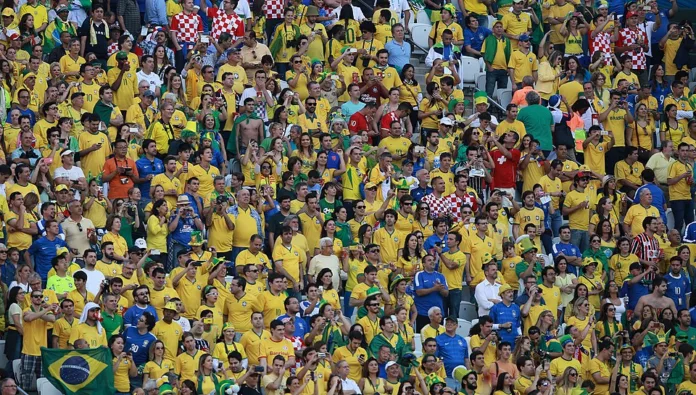


World Cup 2026 shockers have become one of the biggest talking points of the tournament so far. Football fans have witnessed several surprising results, with traditional powerhouses dropping points against nations many expected them to beat comfortably.
The FIFA World Cup has historically been dominated by a small group of elite football nations. Teams such as Brazil, Argentina, Germany, Spain, France, England and Portugal have long been considered the sport’s most powerful forces. Yet the opening stages of the 2026 tournament suggest that football’s global landscape may be changing.
Several underdogs have already produced performances that have captured attention around the world. While some favourites remain on course for the knockout stages, they are finding that victories are far harder to secure than many expected.
The growing competitiveness of emerging football nations is becoming impossible to ignore.
Table of Contents
Why World Cup 2026 feels different
Every World Cup delivers a few surprises. However, this tournament appears to be producing more competitive matches between favourites and outsiders than many fans anticipated.
Instead of one-sided contests, several highly ranked nations have been forced into difficult battles against teams that would once have been considered clear underdogs.
Several results have highlighted this trend:
- Morocco holds Brazil to a draw
- Cape Verde frustrates Spain
- Egypt is taking points from Belgium
- DR Congo earns a result against Portugal
- Ghana is preventing England from securing another victory
- Japan is proving highly competitive against European opposition
These results may not all qualify as historic upsets, but collectively they tell an important story about the modern game.
The gap between nations is shrinking
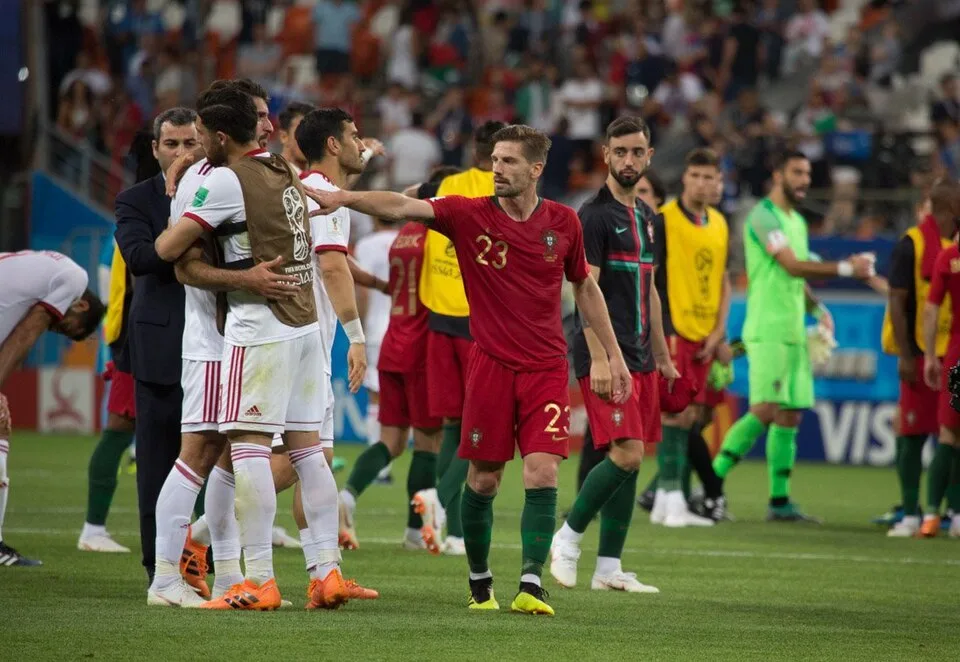
One of the biggest reasons behind these World Cup 2026 shockers is the rapid development of football infrastructure across the globe.
Many emerging nations now benefit from:
- Better coaching systems
- Modern training facilities
- Stronger youth academies
- Increased investment
- Greater access to sports science
- More players are competing in Europe’s top leagues
Twenty years ago, many smaller football nations lacked the resources available to traditional powers. Today, that gap is significantly smaller.
Players representing countries such as Morocco, Japan, Ghana, Senegal and Egypt regularly compete in the Premier League, La Liga, Serie A and other major competitions. As a result, they enter international tournaments with experience against the world’s best players.
Morocco continues to impress on the world stage
Morocco’s performances have further strengthened its reputation as one of international football’s most dangerous emerging powers.
Their success at the 2022 World Cup was initially viewed by some as a remarkable one-off achievement. However, recent performances suggest it was part of a much larger trend.
Holding Brazil to a draw demonstrated tactical discipline, defensive organisation and confidence on the ball.
For many observers, Morocco no longer fits the traditional definition of an underdog.
Japan’s rise is no longer a surprise
Japan has spent years building one of the strongest football development systems outside Europe and South America.
The country’s technical approach, disciplined structure and growing pool of internationally experienced players have made them increasingly difficult opponents.
Results against established football nations continue to reinforce the idea that Japan belongs among the most competitive teams in world football.
Many experts now view Japan as a legitimate threat to reach the latter stages of major tournaments.
African nations are making their presence felt
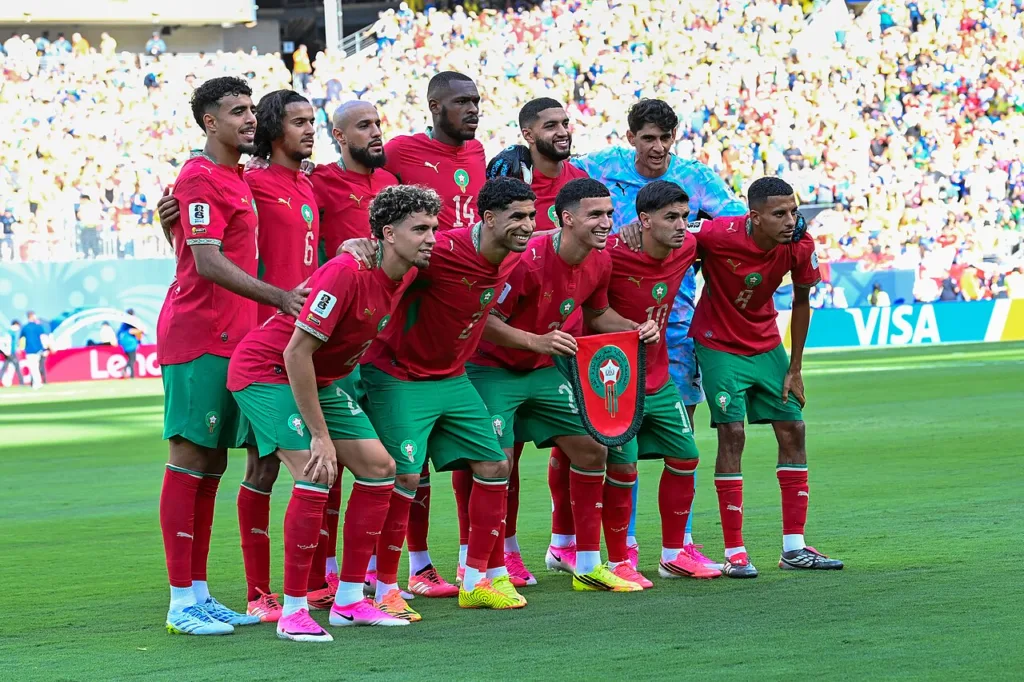
One of the most significant stories of this tournament has been the strength of African teams.
Countries including:
- Morocco
- Egypt
- Ghana
- Senegal
- DR Congo
have demonstrated that they are capable of competing with football’s traditional giants.
The performances of these teams highlight how football talent is becoming more evenly distributed around the world.
Rather than relying solely on physical attributes, many African nations now combine athleticism with tactical sophistication and technical quality.
Why traditional powerhouses cannot relax
The biggest lesson from these World Cup 2026 shockers is that reputation alone no longer guarantees success.
Football’s elite nations still possess extraordinary talent. Teams such as France, Argentina, Brazil and England remain among the favourites to lift the trophy.
However, the margin for error has become significantly smaller.
A momentary lapse in concentration, poor finishing or tactical mistake can now be punished by teams that previously might have struggled to compete at the same level.
This new reality is creating a more competitive and unpredictable tournament.
Is the expanded World Cup helping?
The 2026 World Cup is the first edition to feature an expanded format.
Some critics initially argued that adding more teams could reduce overall quality. Instead, the tournament has provided additional opportunities for emerging nations to showcase their progress.
The expanded competition has helped highlight how football’s development is accelerating across multiple regions.
Fans are seeing nations that might previously have struggled for global recognition proving they belong on the biggest stage.
What these surprises mean for the knockout stage
The group stage results suggest the knockout rounds could produce even more drama.
Several traditional favourites have already learned that no opponent can be underestimated.
As confidence grows among emerging nations, belief becomes a powerful weapon.
History shows that teams capable of producing strong group-stage performances often become dangerous knockout opponents. The momentum created by these early results could lead to even bigger surprises as the tournament progresses.
The future of international football
Before the tournament began, many supporters expected the usual contenders to dominate proceedings.
Instead, World Cup 2026 shockers have become one of the defining themes of the competition.
The evidence increasingly suggests that football’s old hierarchy is under pressure. Emerging nations are closing the gap, developing stronger squads and proving they can challenge the sport’s biggest names.
Whether one of these nations ultimately lifts the trophy remains to be seen. What is already clear, however, is that the era of guaranteed victories for football’s traditional powers may be coming to an end.
The 2026 World Cup is showing that underdogs are no longer happy simply to participate. They have arrived to compete, and increasingly, to win.