
.jpg)

Max Verstappen criticises the new F1 rule changes, calling them insufficient, while other drivers like Lando Norris offer more optimistic views
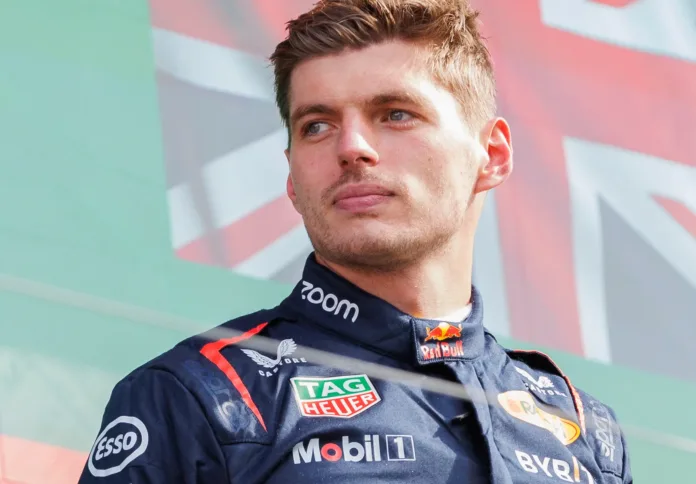
Max Verstappen, one of the most dominant drivers in Formula 1, has labelled the recent changes to the sport’s rules as “a tickle,” expressing his dissatisfaction with the lack of substantial progress in addressing the concerns about racing dynamics and car performance. The Red Bull star’s comments come after a series of technical tweaks aimed at improving the sport’s balance, particularly in terms of qualifying and reducing speed differentials during races.
The changes, which were made with the aim of making qualifying a more “flat-out” challenge and reducing the speed gap between cars in certain conditions, have received mixed reactions. While Verstappen remains critical of the changes, arguing they do not go far enough in addressing the key issues, McLaren’s Lando Norris has expressed a more positive outlook, stating that while the changes may not be groundbreaking, they represent a step in the right direction.
Verstappen, known for his outspoken views, explained: “It’s a tickle. It’s not what we need yet to really make it flat out. It’s complicated to get everything to agree. I just hope that next year we can make really big, big changes.” Verstappen’s frustrations stem from the new car design and energy management systems, which he has previously criticised, even questioning his future in the sport due to the changes.
On the other hand, Norris, while acknowledging that more could be done, remains optimistic about the adjustments. He said, “The race really isn’t going to be that different, but qualifying should be a bit more flat-out, which is what we want as drivers. We have to be happy with the amount of changes they’ve made.” Norris also noted that the rules had been limited by the boundaries of what could be done under the current technical framework.
Embed from Getty Images
The primary changes focus on the engines’ power split, with a 50-50 balance between internal combustion and electric power. These shifts are aimed at reducing the need for drivers to use energy management techniques like coasting before corners in qualifying and minimising extreme speed variations between cars. While this change is significant, it has not fully addressed the drivers’ concerns about the challenge of racing with such intricate energy systems.
One of the key points raised by Norris was the difficulty of pushing for more significant changes within the existing rule constraints. He noted that any meaningful alterations, particularly around engine performance and energy management, would need to be implemented gradually and would require substantial collaboration among teams and the governing body, the FIA.
Verstappen also stressed the need for bigger changes, hinting that the current situation could potentially influence his decision about staying in Formula 1. “I still have time, and I’m taking my time,” he said, keeping his cards close to his chest regarding his long-term future in the sport.
The debate about F1’s future direction continues to widen, with some figures like Aston Martin’s Lance Stroll voicing strong opposition to the changes. Stroll has criticised the new rules as “fundamentally flawed,” arguing that they are far from creating the “proper F1 cars” fans crave, machines that can race flat-out without worrying about battery life.
Meanwhile, Mercedes driver George Russell weighed in on the discussion, suggesting that the idea of returning to V8 engines, an idea championed by FIA president Mohammed Ben Sulayem, could offer an intriguing solution. However, Russell acknowledged that it was more complicated than simply reverting to older engines. He pointed out that while the V8 engines from the early 2000s were iconic, they didn’t deliver the exciting racing that fans remembered, as overtaking was virtually impossible at the time.
The tension around F1’s rule changes is likely to persist, especially as the 2026 regulations approach, and drivers continue to push for the ideal balance between performance, sustainability, and excitement on the track. For Verstappen, the clock is ticking, and while change is coming, the question remains whether it will be enough to keep the sport on the edge of his seat.