
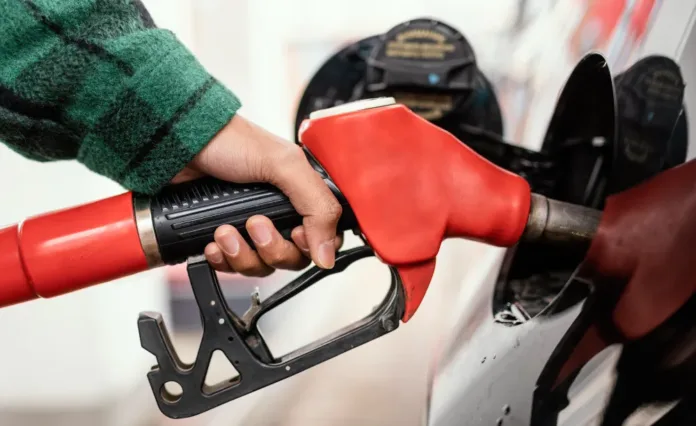

US gas prices hit $4.23, their highest since 2022, as tensions in the Strait of Hormuz worsen and the conflict with Iran intensifies
Gas prices across the United States have skyrocketed, hitting an alarming $4.23 per gallon, the highest level seen since 2022. This surge comes amid rising concerns over the ongoing conflict with Iran and a significant blockade of the Strait of Hormuz, a vital shipping route for global oil supplies. The price spike, which is also pushing up crude oil costs, is reverberating across the economy, increasing the financial strain on consumers and businesses alike.
The price of Brent crude, which directly influences US gas prices, has also surged by nearly 25%, now standing at $114.60 per barrel, compared to a much lower rate earlier this month. This marks a dramatic turn from the $3.16 per gallon average of gas prices just a year ago. The rise is largely attributed to fears of an extended blockade in the Strait of Hormuz, which sees roughly 20% of the world’s oil transported through its waters. With this vital passageway under increasing threat, the price hikes are expected to continue.
In an effort to apply pressure on Iran, former President Donald Trump has indicated that the US may sustain or even intensify the blockade on Iranian oil shipments. In his latest remarks, Trump explained the blockade as a more effective tool than military action, claiming that it was “choking” Iran’s economy. Trump emphasised that the blockade would continue until Iran agrees to a non-nuclear deal, underlining his stance on limiting the country’s nuclear capabilities.
This geopolitical escalation has led to a sharp drop in the number of ships passing through the Strait. According to Lloyd’s List Intelligence, transits plummeted to just 35 in the week of April 20-26, down from 78 the previous week. Before the war, approximately 130 ships passed through the Strait daily, illustrating the significant disruption caused by the ongoing tensions.
The surge in oil prices is compounded by the seasonal increases typically seen during spring, as refineries undergo maintenance in preparation for the high-demand summer months. As a result, the combination of geopolitical risks and standard seasonal shifts is pushing gasoline costs to new highs, causing further strain on US consumers.
While gas prices continue to climb, the ripple effects are also felt in other industries. The aviation sector has been particularly hard-hit, with fuel prices rising more than 70% since the beginning of the Iran conflict. Airlines are responding by hiking ticket prices, reducing routes, and introducing additional fees to offset soaring operational costs. The price of jet fuel in Europe, in particular, has risen by nearly 84% since the war’s outbreak on February 28, further compounding the challenges faced by the travel industry.
On the domestic front, the impact of rising gas prices is being felt across American households, with consumer confidence edging higher in April despite the cost pressures. According to the Conference Board, the consumer confidence index reached a four-month high, though people are planning fewer vacations and cutting back on travel. The survey also revealed a shift in holiday travel plans, with fewer people opting to drive to their destinations.
Meanwhile, the UAE’s decision to exit the OPEC oil cartel has added fuel to the fire, giving Trump a win in his ongoing criticism of the group. Trump has long accused OPEC of manipulating oil prices and is now using the UAE’s departure as a talking point to bolster his stance on energy production.
The combination of rising fuel prices, geopolitical instability, and a shrinking global oil supply has raised concerns that the world could face fuel rationing, particularly in Asia and Europe. Willie Walsh, the head of the International Air Transport Association, warned that the situation could lead to major disruptions in fuel availability, especially as demand for aviation continues to rise.
In this volatile environment, the long-term effects of the Iran conflict and the US’s response to the situation are yet to be fully realised. However, it is clear that the escalating energy prices will continue to place immense pressure on consumers, industries, and governments worldwide in the coming months.