
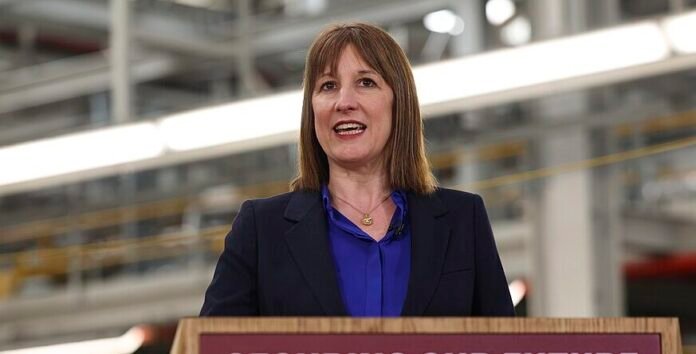

UK ministers swiftly reject Rachel Reeves’s year-long rent freeze, fueling speculation about her future
In a dramatic response, senior government ministers have dismissed the idea of imposing a year-long freeze on private sector rents, less than 48 hours after the Guardian revealed that Rachel Reeves, the shadow chancellor, was considering the bold proposal.
The idea, which has sparked a firestorm of criticism within political circles, was swiftly shot down by Housing Secretary Steve Reed and Housing Minister Matthew Pennycook, who joined a growing list of voices within the government rejecting the plan. This quick condemnation from ministers, coupled with Downing Street’s subsequent statement ruling out the proposal, has only intensified the internal speculation about Reeves’s future within the Labour Party.
Reed, in a no-nonsense response, stated: “I’ve been crystal clear – we’re not doing it,” while Pennycook went even further, calling the rent freeze a “not credible or serious policy proposition.” He expressed the government’s long-standing opposition to rent controls, citing concerns over the potential negative impact they could have on rents outside of regulated tenancies. “We’ve exhaustively studied countries like Sweden and Germany, and even cities like San Francisco. Look at the Scottish experience—rent controls only distort the housing market,” he argued.
The backlash has intensified debates about Reeves’s position, with some questioning whether Keir Starmer might sack her following the upcoming local elections. Though Starmer refrained from guaranteeing Reeves’s future during Prime Minister’s Questions on Wednesday, Downing Street has asserted that the prime minister retains full confidence in her.
Embed from Getty Images
The rejection of Reeves’s plan has fed into concerns about her leadership and potential internal conflicts within the Labour Party. Critics point to a growing divide within No 10 about whether to execute an immediate reshuffle after the local elections, a move that some believe could exacerbate existing tensions.
Meanwhile, the notion of freezing rents remains a point of contention in wider political debates, with the government vehemently opposing the idea on the grounds that it could stifle market growth and further exacerbate housing shortages. The government’s refusal to entertain the policy has raised fresh concerns about the economic direction of the party.
In an attempt to quell the growing unrest, Reeves spent Wednesday morning in an all-staff meeting at the Treasury, speaking to her team and emphasizing the importance of continuing the government’s mission to stimulate economic growth. Treasury sources confirmed that she had highlighted recent measures, including cuts to utility bills in the November budget, and reiterated her stance against reactive, costly policy decisions.
Despite this, some sources close to Reeves’s team have suggested that the mounting criticism surrounding the rent freeze proposal has left them shaken, with increasing pressure on Reeves to assert her position within the party.
Political analysts are closely monitoring the situation, with many speculating that Labour’s internal divisions could soon spill into the public eye, particularly in the aftermath of next week’s local elections. The uncertainty surrounding Labour’s internal dynamics has also caught the attention of city investors, with some warning that a potential leadership race could push up interest rates on government bonds.
Recent turmoil, including the ongoing geopolitical instability and rising inflation, has already caused government borrowing costs to spike, with 10-year bond yields reaching their highest levels since 2008, a worrying sign for the country’s economic future.
In light of these developments, Reeves’s allies remain adamant that her leadership is crucial in navigating the current economic crisis. With tensions running high, the coming days will likely see more drama unfold as Labour grapples with its internal divisions and the growing pressure on its leadership.