
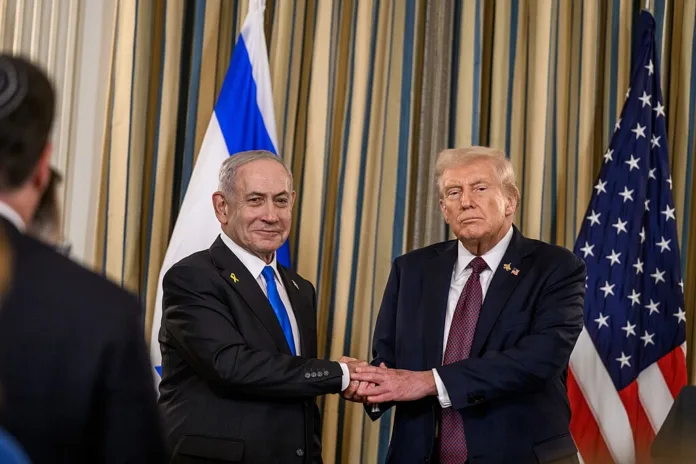


Iran Israel tensions have once again pushed the Middle East to a dangerous tipping point. In early 2026, the region witnessed a sharp escalation involving U.S. strikes on Iranian targets, renewed proxy clashes, and rising fears over nuclear brinkmanship.
According to the Stockholm International Peace Research Institute (SIPRI), Israel is widely believed to possess around 90 nuclear warheads, though it maintains official ambiguity. Meanwhile, Iran continues to insist its nuclear programme is civilian, despite ongoing scrutiny from the International Atomic Energy Agency (IAEA).
Adding fuel to an already volatile situation, former CIA officer John Kiriakou recently claimed on a podcast that Israel privately warned it could consider a nuclear strike on Iran if Washington failed to act. The allegation is unverified, but it raises serious questions about the deeper strategic pressures shaping the Iran Israel conflict.
This analysis separates fact from speculation and explores every credible angle behind one of the most dangerous geopolitical flashpoints today.
The Current Iran Israel Flashpoint
To understand the nuclear pressure narrative, it helps to map the real-world escalation first.
Over the past year, tensions have intensified across multiple fronts:
- Israeli strikes on Iranian-linked targets in Syria
- Iranian-backed militia attacks on U.S. positions in the region
- Maritime confrontations in the Strait of Hormuz
- Cyber operations attributed to both sides
For the UK and its allies, the concern is not just regional instability but the risk of a wider war that could disrupt global energy markets and international security.
Importantly, both Washington and Tel Aviv publicly frame their actions around preventing Iran from developing nuclear weapons capability, a claim Tehran strongly denies.
What John Kiriakou Actually Claimed

Former CIA officer John Kiriakou stated in a recent podcast that Israel allegedly warned U.S. officials it might consider a nuclear option against Iran if America did not intervene more forcefully.
Let’s be clear about the evidence.
What is confirmed:
- Kiriakou made the claim publicly
- Israel has a long-standing doctrine of preventing hostile states from acquiring nuclear capability
- The U.S. and Israel maintain extremely close military coordination
What is NOT confirmed:
- No official U.S. or Israeli confirmation
- No verified intelligence documents support the claim
- No public nuclear alert posture from Israel
This distinction matters. In serious geopolitical analysis, especially for UK readers seeking factual clarity, separating verified policy from insider allegation is essential.
Israel’s Strategic Doctrine: Prevent at All Costs
To evaluate whether such pressure is plausible, we must look at Israel’s historical behaviour.
Israel has repeatedly demonstrated a willingness to act pre-emptively against perceived nuclear threats. Key precedents include:
- Iraq (1981), destruction of the Osirak nuclear reactor
- Syria (2007), a strike on a suspected nuclear facility
- Ongoing covert actions attributed to Israeli intelligence against Iran’s nuclear programme
This pattern is often referred to as the Begin Doctrine, the policy that Israel will not allow hostile regional powers to obtain nuclear weapons capability.
From a strategic standpoint, many analysts believe Israel views a nuclear-capable Iran as an existential threat rather than a manageable risk.
Why the U.S. Position Matters So Much
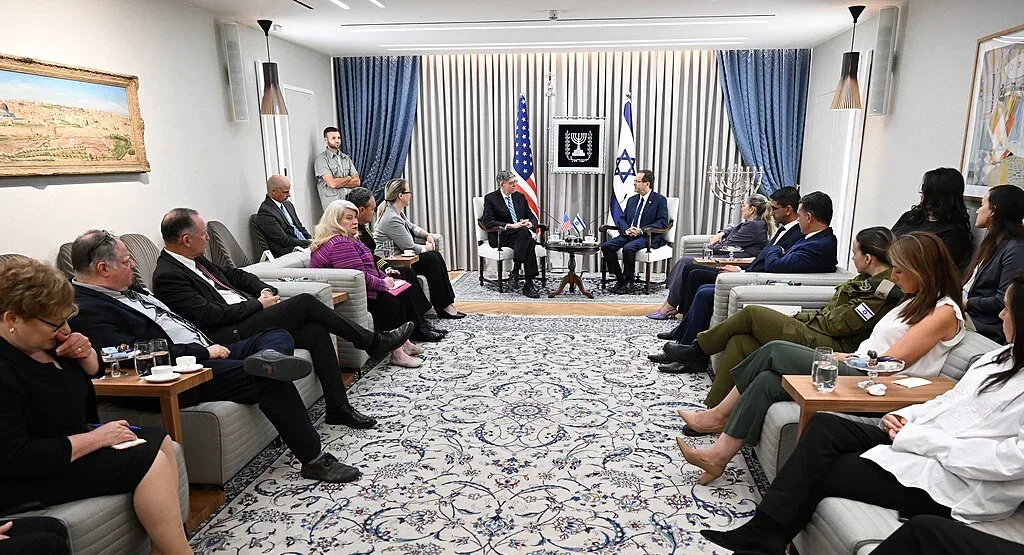
The United States remains the single most important external actor in the Iran Israel conflict.
Washington’s decisions shape:
- Regional military balance
- Sanctions pressure on Tehran
- Diplomatic cover at the United Nations
- Military deterrence posture
For Israel, unilateral action against Iran carries significant risks:
- Regional retaliation through proxy groups
- Oil market shock affecting allies
- Potential global diplomatic backlash
Because of this, Israel has historically preferred U.S. alignment before major escalatory moves.
This is where Kiriakou’s allegation becomes strategically interesting, even if unproven.
Possible Interpretations of the Nuclear Pressure Claim
There are several ways analysts interpret the suggestion that Israel may have pressured Washington.
1. Strategic Signalling Rather Than Blackmail
Some experts argue that any such message would likely be strategic signalling, not literal blackmail. In high-level diplomacy, allies sometimes communicate worst-case scenarios to shape decision-making.
This can include:
- Highlighting red lines
- Emphasising urgency
- Stress-testing alliance commitments
Under this interpretation, Israel may have been reinforcing how seriously it views the Iranian nuclear issue.
2. Intelligence Community Friction
Another angle focuses on internal U.S. debate.
Within Washington, different agencies often disagree on Iran’s nuclear timeline and intentions. If Israel believed U.S. assessments were too cautious, it may have attempted to:
- Accelerate U.S. policy
- Increase military readiness
- Prevent diplomatic drift
This would fit historical patterns of close, but sometimes tense, U.S.-Israel intelligence coordination.
3. Political Pressure in an Election Climate
Domestic politics cannot be ignored.
Both U.S. and Israeli leaders operate under intense political scrutiny. During periods of instability:
- Hardline postures often gain domestic support
- Security threats become politically amplified
- Alliance dynamics become more visible
Some analysts believe rhetoric around Iran tends to sharpen during politically sensitive periods, which may partially explain the timing of recent claims.
The Nuclear Reality: How Close Is Iran?
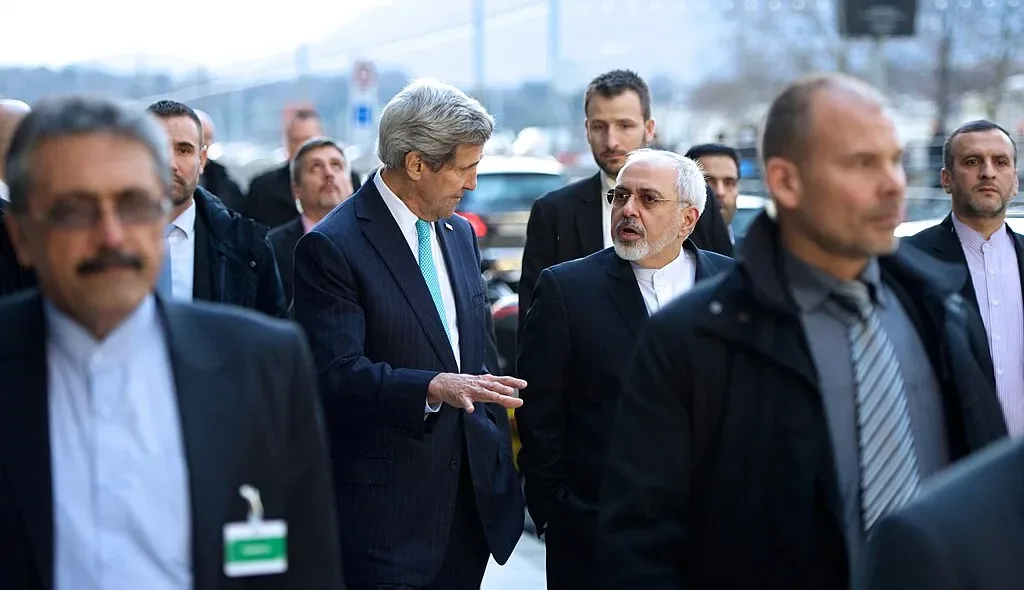
After the midpoint of this analysis, the core question in the Iran Israel standoff remains unchanged: how close is Iran to actual nuclear weapons capability?
According to the IAEA:
- Iran has significantly expanded uranium enrichment
- Enrichment levels have approached weapons-grade thresholds
- However, inspectors have not confirmed an active weapons programme
This grey zone fuels ongoing tension.
From Israel’s perspective, the risk lies in breakout capability, the point at which Iran could rapidly assemble a weapon if it chose to do so.
From Iran’s perspective, the programme remains legal under the Nuclear Non-Proliferation Treaty (NPT), though heavily disputed.
Risks of Escalation the UK Should Watch
For UK readers, the stakes are not abstract.
A widening Iran Israel confrontation could directly affect Britain through:
- Energy price volatility
- Maritime security in the Gulf
- NATO alliance commitments
- Terror threat levels
- Refugee and migration pressures
The UK government has consistently called for de-escalation while maintaining support for Israel’s security and concern over Iran’s nuclear advances.
What Most Headlines Are Missing
Much public coverage simplifies the situation into a binary narrative. Reality is more complex.
Key overlooked factors include:
- The role of proxy militias across the region
- Cyber warfare between Iran and Israel
- Economic warfare through sanctions
- The fragile balance of nuclear ambiguity
Whether or not Kiriakou’s claim proves accurate, it highlights a deeper truth: the Iran Israel conflict is increasingly shaped by deterrence psychology, not just battlefield events.
Could Nuclear Brinkmanship Become Real?
After examining the available evidence, most mainstream security analysts still assess the risk of an actual Israeli nuclear strike as extremely low in the near term.
Why?
- It would trigger massive international backlash
- It would risk an uncontrollable regional war
- It would undermine Israel’s long-standing nuclear ambiguity policy
- It would strain relations with key allies, including the UK
However, and this is crucial, the mere perception of nuclear willingness can influence diplomatic behaviour.
In geopolitics, signals often matter almost as much as actions.
Pressure, Perception, and Power
As the Iran Israel confrontation continues to evolve, one thing is clear: the situation is being shaped as much by strategic messaging as by missiles and drones.
John Kiriakou’s allegation remains unverified and should be treated cautiously. Yet it fits within a broader pattern of high-stakes signalling that has defined Middle Eastern security politics for decades.
For UK observers, the real takeaway is not whether a single claim proves true, but how fragile the current deterrence balance has become. When nuclear capability, regional rivalry, and superpower involvement intersect, the margin for miscalculation narrows sharply.
The coming months will likely determine whether this remains a contained confrontation or moves closer to the brink.