

Williams’ 2026 Formula 1 livery divides fans, with colour choices criticised and one detail praised
Williams has unveiled its 2026 Formula 1 livery, and the reaction from fans has been swift, loud and deeply divided. While anticipation had been building for weeks, the final reveal has left supporters split between praise and frustration, with debate centring on colour choices and overall execution.
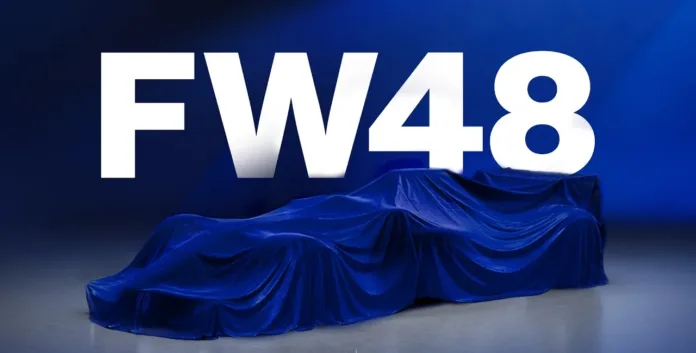
The team presented the new livery after missing the Barcelona shakedown at the end of January. The unveiling took place at the Williams factory, where drivers Alex Albon and Carlos Sainz appeared alongside team principal James Vowles as the FW48 was shown publicly for the first time.
The design features two shades of blue combined with white sections and a red-and-white pinstripe. The updated colour scheme marks a visual shift from last season and reflects new commercial partnerships, but it is this change that has triggered the most intense response from fans.
Speaking at the launch, Vowles described 2026 as another step in Williams’ long-term recovery. He highlighted the strength of the driver line-up, the addition of new partners and a growing fanbase, while also acknowledging that the scale of regulation changes makes the season unpredictable. He said the team was realistic about the challenges ahead and eager to see how the car performs when racing begins.
However, fan discussion quickly moved away from future ambition and focused almost entirely on the livery itself.
Across online platforms, supporters expressed sharply contrasting views. Some fans praised the design for its boldness and modern feel, while others criticised it for appearing cluttered. The use of multiple blue tones proved particularly controversial, with some supporters saying the colours failed to blend naturally.
The lighter blue shade drew specific criticism, with several fans describing it as jarring when placed alongside the darker tones. Comparisons were made with last year’s livery, which some felt had a cleaner and more cohesive gradient. For these fans, the new design represents a step backwards visually.
Despite the criticism, one element of the car received near-universal approval: the Duracell battery-style airbox. Fans repeatedly singled it out as the standout feature of the livery. Many said its presence alone made the overall design more acceptable, while others described it as iconic and one of the strongest visual elements the team has introduced in recent years.
Some supporters admitted they were disappointed overall but still relieved that the airbox remained unchanged. Others said that as long as that feature stays, they are willing to overlook concerns about colour balance elsewhere on the car.
Not all fans were negative. A number defended the new look, arguing that the pinstripe detail nods to Williams’ heritage and that the lighter blue reflects modern sponsorship realities. Some questioned why a fanbase that often celebrates historic liveries was so resistant to a design that clearly attempts to blend tradition with commercial identity.
There were also fans who welcomed the reveal after seeing earlier speculative designs. For them, the official livery exceeded expectations, with several expressing relief that rumours of more radical colour schemes had not come to pass.
The response highlights how emotionally charged Formula 1 liveries can be, particularly for teams with long histories. For Williams, every design choice is closely examined as the team continues its efforts to move forward after years of struggle.
As pre-season testing and racing draw closer, attention will inevitably shift from aesthetics to performance. But for now, the 2026 Williams livery has achieved one undeniable result: it has reignited passionate debate among fans, united only by their admiration for one unmistakable detail.