
.jpg)

Wet-weather crash damages Red Bull’s 2026 car and leaves final Barcelona test plans in doubt
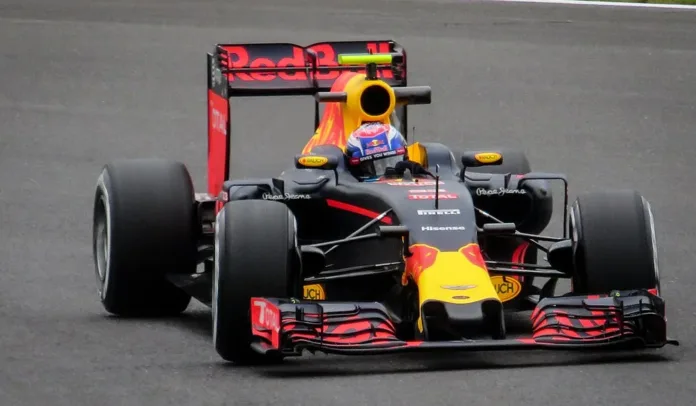
Red Bull’s preparations for the 2026 Formula 1 season were disrupted on Tuesday after Isack Hadjar crashed the team’s new RB22 during a rain-soaked shakedown at Barcelona, forcing the squad to reassess its plans for the final day of running.
The incident occurred in treacherous wet conditions late in the afternoon session. Hadjar lost control of the car at the final corner of the Circuit de Barcelona-Catalunya and spun backwards into the barriers, damaging the rear of Red Bull’s latest challenger and bringing his day to an abrupt end.
With the test taking place behind closed doors, details surrounding the cause of the accident remain unclear. It has not yet been established whether the crash resulted from driver error or a technical issue with the car. What is certain is that the damage has complicated Red Bull’s tightly managed testing schedule at a time when every lap is considered vital.
Hadjar’s team-mate Max Verstappen had completed the morning session earlier in the day, managing just a single dry run before heavy rain arrived. Despite the worsening conditions, Red Bull elected to continue running, believing wet-weather mileage would still provide valuable data as the team begins to understand both the RB22 chassis and its first fully in-house power unit.
Red Bull team principal Laurent Mekies described the crash as “very unfortunate” and confirmed the team is now weighing up its options for the final scheduled test day. Under Formula 1 regulations, teams are limited to three test days out of a possible five, and Red Bull has already completed running on Monday and Tuesday.
“There was some good learning in the wet,” Mekies said. “Unfortunately, it didn’t end in the right way, but the most important thing is that Isack is okay. Now we need to repair the car and see what comes next.”
Embed from Getty Images
He acknowledged how challenging the conditions had been, stressing that such incidents can happen during early development phases. Mekies also pointed to the positives from the previous day, when Hadjar completed a high number of laps and provided valuable feedback to engineers.
The team’s immediate priority is assessing the extent of the damage and determining whether the RB22 can return to the track for the final day. With only one day remaining in its allocated test window, Red Bull faces a careful decision over whether to push for further running or preserve resources.
“We only have one day left,” Mekies said. “We have to place that card carefully. This analysis will still take a few hours.”
Despite the setback, Mekies praised Red Bull’s broader progress as it embarks on a new chapter in its Formula 1 journey. The Barcelona test marks the first on-track appearance of a Red Bull car powered by the team’s own Red Bull Powertrains unit, developed in partnership with Ford.
He described the moment as hugely significant for the Milton Keynes-based operation, highlighting the intense preparation required to reach this stage. According to Mekies, simply getting the RB22 running on schedule was a major achievement for both the chassis and power unit teams.
“It was incredible to see the car going out on Monday morning with our own power unit,” he said. “It’s very early days and nothing is perfect, but we could run, start learning and work as one team.”
While Hadjar’s crash has slowed momentum, Red Bull remains focused on the long road ahead. The team views the Barcelona shakedown as the beginning of an extended development process, with lessons learned now expected to shape decisions in the weeks to come.