
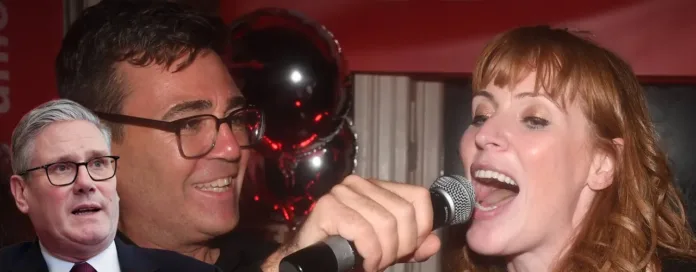

Angela Rayner and unions push back as Starmer allies try to halt Burnham’s Westminster return
Keir Starmer is facing intensifying pressure from within Labour not to block Andy Burnham from returning to parliament, as senior figures warn that any attempt to shut him out could deepen internal divisions and damage trust in the party’s democratic process.
The row centres on the upcoming byelection in the Greater Manchester constituency of Gorton and Denton, triggered by the resignation of the independent MP Andrew Gwynne on medical grounds. Burnham, the current mayor of Greater Manchester and a former cabinet minister, has not formally declared his intention to stand. However, his long-signalled ambition to return to Westminster has put No 10 on alert.
Allies of the prime minister have been working behind the scenes to prevent Burnham from becoming the Labour candidate, fearing his presence in parliament could pose a future challenge to Starmer’s leadership. Those concerns have sharpened amid nervousness over Labour’s electoral prospects ahead of May’s local elections.
Angela Rayner is now expected to intervene. The deputy prime minister is understood to support Burnham’s right to stand if he chooses and is likely to argue publicly that he should not be blocked when she addresses Labour’s north-west regional conference. Her stance has emboldened MPs and union leaders who believe the party risks accusations of a stitch-up if the selection process is tightly controlled.
The timetable for choosing a candidate is unforgiving. Applications opened on Friday evening, with a 24-hour window to seek approval from Labour’s national executive committee, followed by a final deadline late on Sunday. A candidate is expected to be selected within days, leaving little room for manoeuvre.
Burnham’s potential candidacy carries high stakes. If he runs, he would be required to step down as mayor, opening the door to further political reshuffling in Greater Manchester. Reports have suggested he could attempt to line up a high-profile successor, with the former footballer Gary Neville among names being floated, though nothing has been confirmed.
Starmer’s supporters are believed to favour other candidates, including Bev Craig, the leader of Manchester City Council. Meanwhile, speculation that the shortlist could be restricted has fuelled anxiety among activists and MPs who see such moves as evidence of centralised control.
Union leaders have issued stark warnings. Andrea Egan, the new general secretary of Unison, said party members should decide the candidate, cautioning that “control-freakery” had already harmed Labour in the past. Her intervention reflects wider unease among organised labour, traditionally a core pillar of party support.
Northern MPs have echoed those concerns. Jo White, who leads Labour’s so-called red wall group, warned that a “London stitch-up” would be disastrous, arguing that local members must be allowed to choose who represents them. Other backbenchers privately said blocking Burnham would signal weakness rather than strength from the leadership.
The byelection itself is shaping up to be fiercely contested. The Green Party leader Zack Polanski has not ruled himself out, while George Galloway has hinted at standing. Reform UK is also expected to mount a challenge, with several possible candidates under discussion.
Burnham’s supporters argue that his return could strengthen Labour’s northern voice in government at a time when regional representation is under scrutiny. Critics within No 10 remain wary, pointing to his past comments about being encouraged to seek the party leadership as evidence he could destabilise Starmer’s authority.
Labour comfortably won Gorton and Denton in 2024, but with Reform and the Greens close behind, the outcome is far from guaranteed. As the selection process unfolds at speed, the party faces a defining test of whether it prioritises unity and openness or tight central control at a moment of growing internal strain.