
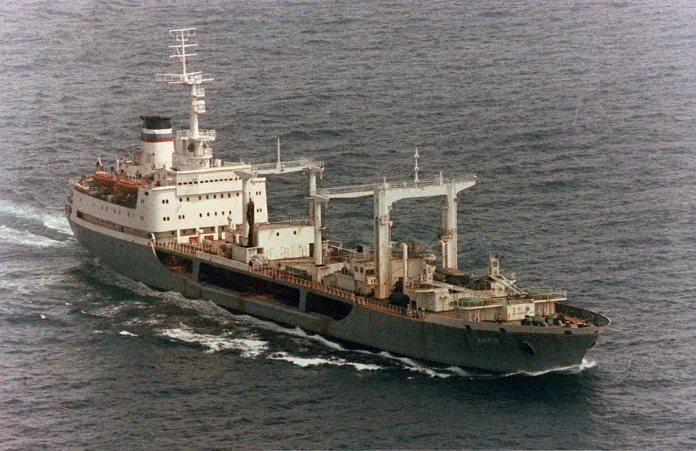


PicPicture this: a Russian-flagged oil tanker cutting through the North Atlantic like a floating cash register, then suddenly, it’s boarded and seized by the United States. No warning shot, no summit handshake, no “strongly worded statement” first. Just a ship, a flag, and a move that turns maritime law into front-page politics.
That single seizure has injected fresh fuel into Trump Putin tensions, because oil tankers aren’t just transport. They’re leveraging. And when a tanker becomes the battleground, every ally, market, and navy starts paying attention, and when that control involves a vessel flying a Russian flag, you don’t need a crystal ball to predict Moscow’s reaction.
Russia has condemned the seizure as illegal under maritime law and framed it as piracy. US officials have described it as sanctions enforcement and a lawful interdiction tied to violations and prior pursuit. In plain English, both sides are arguing legality, but both are really fighting for power.
What actually happened: The short, clean timeline
Before we get dramatic, it helps to get organised.
Here’s the timeline as reported by major outlets:
- The US began escalating interdictions linked to Venezuelan oil movements in late 2025.
- The tanker Marinera, formerly Bella 1, was tracked for weeks after earlier encounters with US authorities.
- The US intercepted and seized the ship in the North Atlantic, with reports placing the operation near Icelandic waters.
- Russia condemned the seizure, arguing the vessel was lawfully flagged and protected by international law.
- The US framed the move as enforcement, tied to sanctions and alleged refusal to comply with boarding or interdiction orders.
The key point is this: it’s not being presented as a random act of aggression. It’s being presented as a targeted action, tied to oil enforcement, with Russia insisting it was unlawful.
Why has this inflamed Trump Putin tensions?
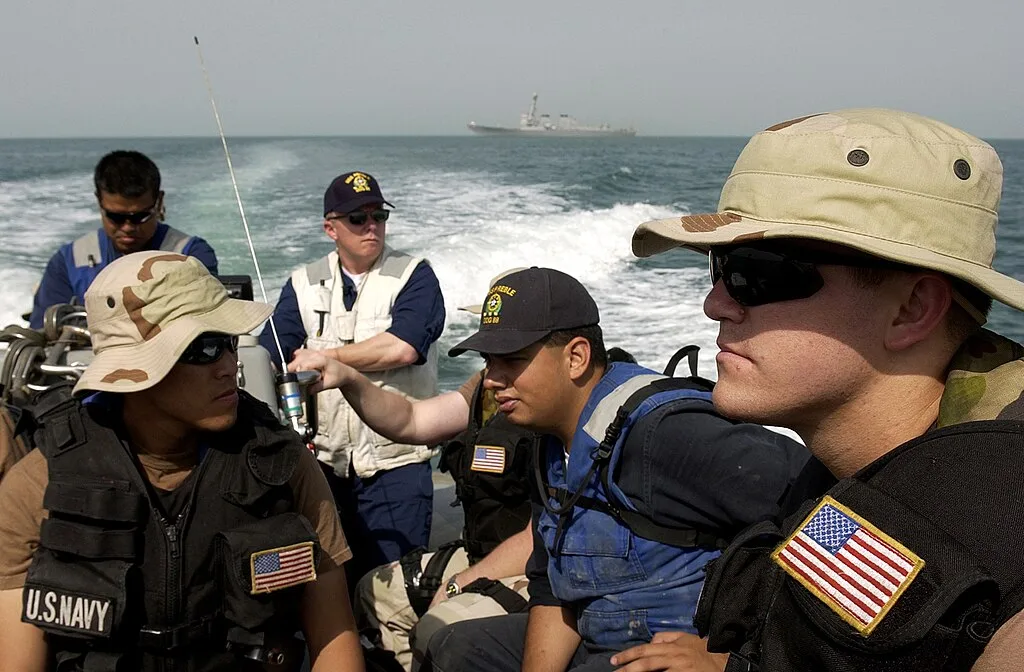
Oil sOil seizures are never just about oil.
This incident hits three pressure points at once:
- Sovereignty, a Russian-flagged vessel, is symbolically “Russia” in international waters
- Energy leverage: Tankers sit at the heart of global supply chains
- Precedent, if one major power seizes flagged ships, others may copy the tactic
Russia’s public line is clear; it argues that international maritime law restricts the use of force against properly registered vessels in international waters. The US line is also clear; it argues it had legal grounds through sanctions enforcement, pursuit history, and alleged non-compliance.
That clash is exactly why this story belongs in a UK legal lens. The argument is not just “who’s right”, it’s “what rules apply at sea”.
The legal bit, without the headache
Let’s keep this readable.
What Russia is likely relying on
Russia’s argument, in simple terms, is:
- A ship with a valid flag is under that state’s protection
- You cannot just board and seize it in international waters
- Doing so breaches maritime law principles
What the US is likely relying on
The US justification tends to lean on:
- Sanctions enforcement, targeting networks moving restricted oil
- Seizure warrants and prior pursuit, if the ship was already subject to action
- Statelessness or false flag arguments, if the vessel’s registration is disputed
- Non-compliance, if the crew resisted lawful boarding
This is where legal narratives get tactical. If the US can argue the vessel was effectively stateless, improperly flagged, or engaged in sanction-busting, it widens the scope for interdiction. If Russia can show that the flag status was lawful and the ship was compliant, it strengthens the piracy framing.
Why the UK public should care?
Because the UK sits uncomfortably close to the legal and strategic fallout.
Not in geography, in alignment.
For the UK, this kind of event pulls in:
- NATO cohesion, if tensions rise, Europe feels it
- Maritime security, the North Atlantic is not a theoretical space for Britain
- Sanctions credibility, the UK uses sanctions regularly, and precedent matters
- Energy and inflation impacts, oil disruption is never “over there” for long
And bluntly, the UK public doesn’t need another cost-of-living nudge from global drama. Tanker seizures can move markets, even when the cargo details are unclear.
What Trump Putin tensions look like right now?
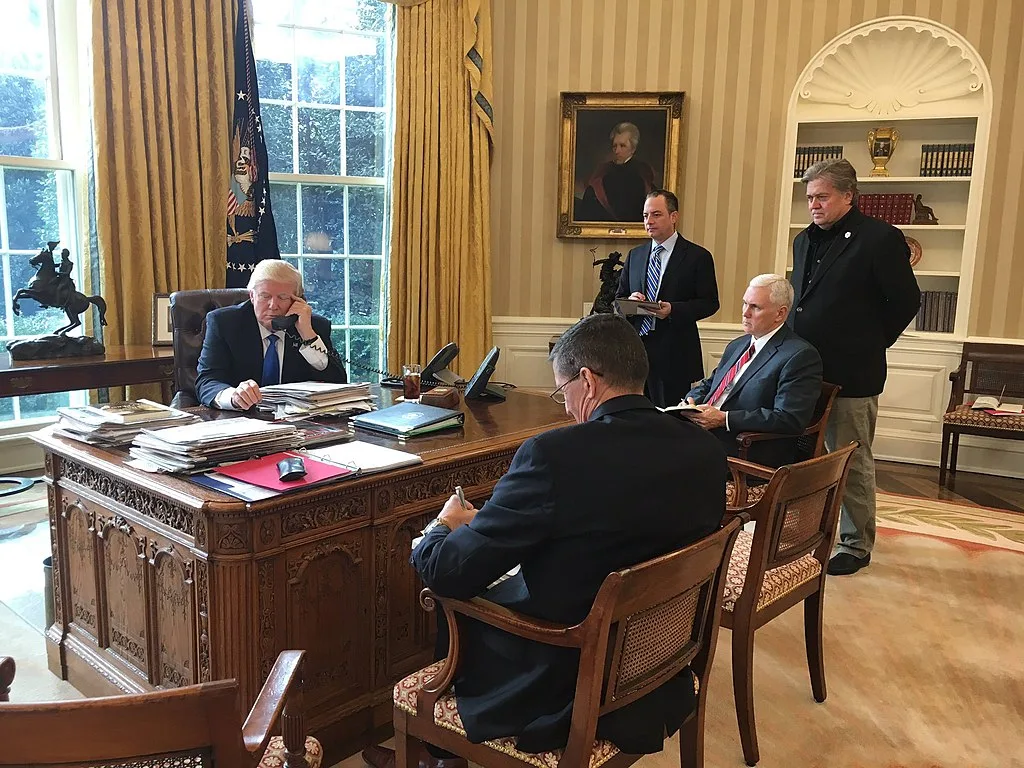
Here’s the rHere’s the reality: Trump Putin tensions aren’t just about personalities. They’re about competing rules.
Trump’s posture tends to centre on strength, leverage, and deal-making. Putin’s posture tends to centre on sovereignty, deterrence, and refusing to look cornered. A seizure like this triggers both instincts at once.
This is why both sides will likely keep repeating the same phrases:
- “illegal”
- “piracy”
- “sanctions”
- “lawful enforcement”
- “security”
Those words aren’t just legal claims; they’re message discipline.
What happens next: The most realistic scenarios
Now to the part everyone wants: what happens next, without fantasy plotting.
Scenario 1: Legal and diplomatic escalation
This is the most likely immediate path.
Expect:
- formal protests and demands for crew treatment
- legal arguments over flag status and jurisdiction
- pressure through international forums and allies
This is slow, but it’s how states fight when they don’t want open confrontation.
Scenario 2: Tit-for-tat maritime enforcement
Also plausible, and more dangerous.
If Russia wants to respond without direct military conflict, it could:
- increase inspections of Western-linked vessels
- Disrupt shipping through regulatory pressure
- flexible naval presence near key routes
Even small actions at sea create big anxiety onshore.
Scenario 3: Negotiated release or quiet de-escalation
This happens more than people realise.
Governments sometimes turn down the temperature when:
- The point has been made
- markets react badly
- allies start getting twitchy
A “quiet resolution” can still be sold domestically as a win.
Scenario 4: Wider sanctions tightening
If the seizure is part of a broader campaign, you may see:
- expanded sanctions lists
- more interdictions
- stronger enforcement coordination
That’s not as cinematic as missiles, but it can be more effective.
The British take: This is how tensions spread
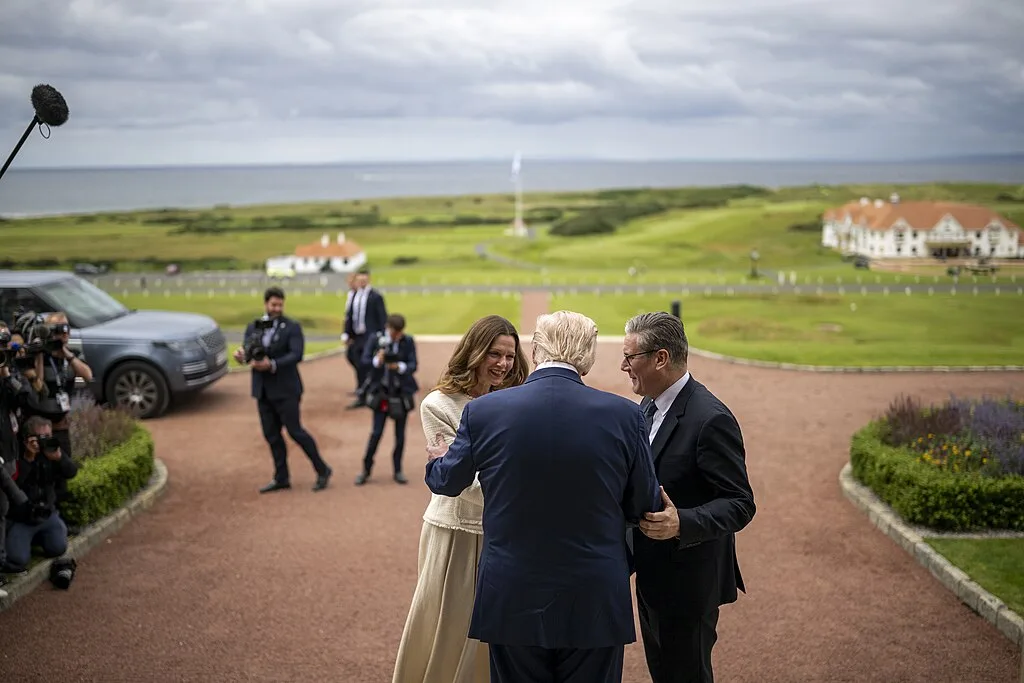
Here’s the British truth: Global crises don’t arrive with fireworks; they arrive with knock-on effects.
They show up as:
- increased fuel costs
- nervous markets
- shipping insurance spikes
- diplomatic friction that limits cooperation elsewhere
And because the UK sits in a web of alliances, any sustained Trump Putin escalation tends to drag Europe into the conversation, whether we like it or not.
If you’ve ever wondered how “some tanker story” becomes “why is everything more expensive”, this is the pipeline.
Quick fact check: “Attack” vs “seizure”
This matters for credibility.
An “attack” suggests a strike intended to damage or destroy. A “seizure” suggests enforcement, boarding, detention, and control of a vessel. Reporting around this incident centres on seizure and interdiction, with Russia describing it as piracy and the US describing it as sanctions enforcement.
If you want to sound authoritative, use:
- “seized”
- “boarded”
- “interdicted”
- “detained”
And reserve “attacked” only when evidence shows direct armed assault aimed at destruction.
That one language choice is the difference between analysis and clickbait.
Where Trump Putin tensions go from here?
The seizure of a Russian-flagged tanker is not a side story; it’s a signal. It shows how modern power struggles are increasingly fought through trade routes, legal arguments, and enforcement actions, not just speeches and missiles.
As Trump Putin tensions rise around maritime enforcement and energy control, the next phase will likely be diplomatic pressure, legal sparring, and carefully calibrated responses that stop short of outright conflict. That said, shipping incidents have a habit of escalating faster than anyone plans, simply because pride and precedent get involved.
For UK readers, the takeaway is simple: this is not just a foreign story. It’s a test of rules at sea, alliance stability, and the kind of energy politics that always ends up landing on British bills and British headlines. sea, alliance stability, and the kind of energy politics that always ends up landing on British bills and British headlines.