
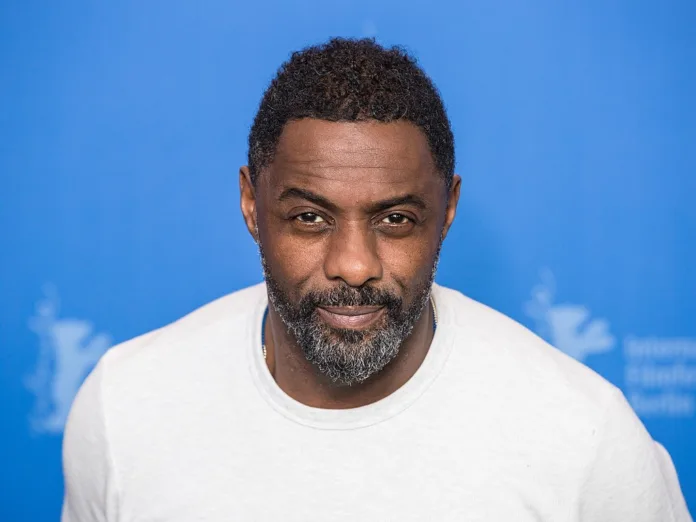


Idris Elba and Cynthia Erivo are among the stars recognised in the UK New Year Honours list
Some of Britain’s most recognisable cultural figures have been formally recognised in the UK New Year Honours list, with Idris Elba and Cynthia Erivo among those receiving national honours for their contributions to the arts and public life.
The annual honours list, released at the start of the year, celebrates individuals whose work has made a lasting impact on British culture, society and global influence. This year’s list places particular emphasis on creative achievement, recognising performers whose careers have extended beyond entertainment into advocacy, representation and international recognition.
Idris Elba’s inclusion reflects decades of work across film, television and music, alongside his role in projecting British talent on the world stage. His career has spanned critically acclaimed dramas, blockbuster films and projects that have challenged perceptions of British identity in global media.
Cynthia Erivo’s recognition acknowledges a career defined by range and intensity. From stage to screen, she has built a reputation for performances that combine technical excellence with emotional depth. Her success has also carried symbolic weight, highlighting the growing prominence of British performers in international theatre and cinema.
The New Year Honours list is often viewed as a snapshot of national values at a given moment. This year’s selections suggest a continued focus on cultural influence and soft power, with creative figures taking centre stage alongside contributors from public service, health and community work.
For Elba and Erivo, the honours represent formal recognition from the state rather than the industry. While awards within film and theatre celebrate artistic achievement, national honours mark a different kind of milestone, one tied to service, influence and legacy.
Reaction to the list has been broadly positive, with fans and peers welcoming the recognition of artists whose work has resonated far beyond the UK. Social media responses highlighted pride in seeing British performers acknowledged for shaping global conversations through storytelling and performance.
The honours system has not been without criticism over the years, particularly around representation and relevance. However, supporters argue that recognising contemporary cultural figures helps keep the system connected to modern Britain. The presence of internationally recognised performers reinforces that argument.
The timing of the honours also adds symbolic weight. Announced at the turn of the year, the list invites reflection on careers that have shaped the recent past while setting a tone for the year ahead. For recipients, it marks both an endpoint and a continuation, a formal pause before the next chapter.
Embed from Getty ImagesNeither Elba nor Erivo has framed the honour as a conclusion. Both remain active across multiple projects, suggesting the recognition arrives not as a farewell, but as an acknowledgement mid-journey. That distinction matters in an industry often obsessed with momentum.
The New Year Honours list also serves as a reminder of the broad reach of the arts. Performers influence not only audiences, but also how Britain is perceived abroad. In recognising figures like Elba and Erivo, the state effectively endorses culture as a pillar of national identity.
As the honours list circulates, attention will continue to focus on who is included and what that says about Britain’s priorities. For now, the spotlight rests on performers whose work have crossed borders and whose careers now carry official recognition.
For Elba and Erivo, the honours place their names into a long historical record. It is a moment of celebration, reflection and permanence, one that situates personal achievement within a wider national story. Formal recognition from the state rather than the industry. While awards within film and theatre celebrate artistic achievement, national honours mark a different kind of milestone, one tied to service, influence and legacy.
Reaction to the list has been broadly positive, with fans and peers welcoming the recognition of artists whose work has resonated far beyond the UK. Social media responses highlighted pride in seeing British performers acknowledged for shaping global conversations through storytelling and performance.
The honours system has not been without criticism over the years, particularly around representation and relevance. However, supporters argue that recognising contemporary cultural figures helps keep the system connected to modern Britain. The presence of internationally recognised performers reinforces that argument.
The timing of the honours also adds symbolic weight. Announced at the turn of the year, the list invites reflection on careers that have shaped the recent past while setting a tone for the year ahead. For recipients, it marks both an endpoint and a continuation, a formal pause before the next chapter.
Neither Elba nor Erivo has framed the honour as a conclusion. Both remain active across multiple projects, suggesting the recognition arrives not as a farewell, but as an acknowledgment mid journey. That distinction matters in an industry often obsessed with momentum.
The New Year Honours list also serves as a reminder of the broad reach of the arts. Performers influence not only audiences, but how Britain is perceived abroad. In recognising figures like Elba and Erivo, the state effectively endorses culture as a pillar of national identity.
As the honours list circulates, attention will continue to focus on who is included and what that says about Britain’s priorities. For now, the spotlight rests on performers whose work has crossed borders and whose careers now carry official recognition.
For Elba and Erivo, the honours place their names into a long historical record. It is a moment of celebration, reflection and permanence, one that situates personal achievement within a wider national story.