
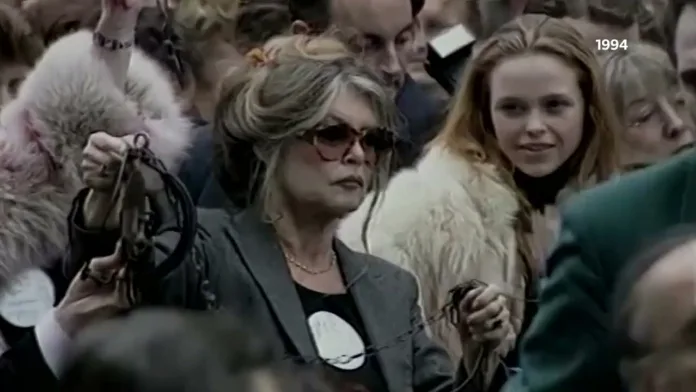

French cinema icon and animal rights activist dies aged 91, leaving a legacy of fame and controversy
Brigitte Bardot, one of the most recognisable figures in French cultural history, has died at the age of 91, prompting an outpouring of tributes across France and reigniting debate over a life that spanned cinematic brilliance and deep controversy.
Brigitte Bardot rose to international fame in the 1950s and 1960s, becoming one of the defining faces of post-war French cinema. Her performances in films such as And God Created Woman established her as a symbol of sexual liberation at a time when Europe was undergoing profound social change. With her unapologetic presence on screen, she reshaped how femininity, desire and independence were portrayed in film.
By the time she retired from acting at the age of 39, Bardot had appeared in nearly 50 films. Rather than extending her screen career, she chose to step away from fame entirely. In her own words, she said she had given her youth and beauty to men, and would give her wisdom and experience to animals.
From that moment, Bardot devoted herself almost exclusively to animal welfare. Through the Brigitte Bardot Foundation, she became one of the most prominent and vocal animal rights activists in Europe, campaigning against animal cruelty and the mistreatment of wildlife. Her foundation remembered her as a world-renowned actress who sacrificed a prestigious career to dedicate her life and energy to protecting animals.
Tributes poured in following the announcement of her death. President Emmanuel Macron described the nation as mourning “a legend of the century”, praising what he called her universal brilliance and unmistakably French spirit. Marine Le Pen said Bardot embodied a fierce and untameable France, describing her as free, whole and uncompromising.
Across the country, particularly in Saint-Tropez where Bardot lived for many years, fans gathered to pay their respects. Media outlets cleared their schedules to reflect on her life, broadcasting retrospectives of her films and interviews from her decades-long retreat from public life.
Yet Bardot’s legacy is far from simple. In later years, she became a deeply polarising figure. She was repeatedly fined for inciting racial hatred, including a conviction in 2008 following comments in which she accused Muslims of destroying France by imposing their customs. These remarks drew widespread condemnation and overshadowed her humanitarian work in the eyes of many critics.
She also attracted controversy in 2018 when she appeared dismissive of the #MeToo movement, a stance that further alienated sections of the public and reinforced perceptions of her as a figure increasingly out of step with modern social values.
Despite this, Bardot never retreated from her views, remaining defiant and outspoken until the end of her life. Supporters continued to praise her honesty and refusal to conform, while critics argued that her rhetoric caused genuine harm.
Her death has reopened long-running debates about how she should be remembered: as a cinematic trailblazer who transformed European film, as a tireless campaigner for animal welfare, or as a figure whose later statements complicated her place in history.
What is beyond dispute is her cultural impact. Few figures shaped France’s image abroad as profoundly as Bardot did during her peak years. Her face, voice and persona became inseparable from an era of liberation, rebellion and artistic change.
As France reflects on her passing, Bardot leaves behind a legacy that is as complex as it is enduring one that continues to provoke admiration, discomfort and debate in equal measure