
.jpg)

Ricky Gervais says he is unlikely to create another sitcom, casting doubt on a comedy return
British comedian Ricky Gervais has said he will likely never make another sitcom, signalling a decisive shift away from the format that helped define his career and reshape British comedy.
Gervais, best known for creating and starring in acclaimed sitcoms that achieved global success, said he no longer feels drawn to the demands of making scripted comedy series. His comments suggest that one of the most influential voices in modern television comedy is closing the door on a genre that once placed him at the centre of the cultural conversation.
The comedian has built a reputation for challenging conventions and pushing boundaries, first breaking through with a workplace sitcom that transformed expectations of what British comedy could be. That success led to further series that blended discomfort, satire and emotional depth, securing Gervais a lasting place in television history.
Despite that legacy, Gervais indicated that the creative and logistical realities of making sitcoms no longer appeal to him. He suggested that the process has become less rewarding over time, particularly compared with other forms of work that offer greater freedom and immediacy.
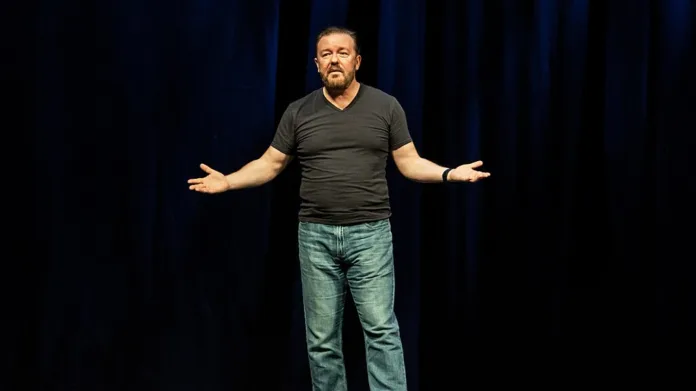
In recent years, Gervais has focused increasingly on stand-up comedy, international touring and one-off projects. These ventures have allowed him to speak directly to audiences without the long development cycles associated with scripted television. He has often described stand-up as a purer form of expression, where material can evolve rapidly and without compromise.
Embed from Getty ImagesThe possibility that Gervais may never return to sitcoms has prompted reflection on his impact. His work helped usher in a new era of British comedy, influencing writers and performers who followed. Many credit his early success with opening doors for darker, more character-driven storytelling on television.
Gervais has also been candid about how the industry has changed. Shifts in audience expectations, commissioning practices and public scrutiny have altered the environment in which sitcoms are made. While he has not ruled out writing entirely, his comments suggest that long-form scripted comedy no longer fits his creative priorities.
Fans have reacted with a mix of disappointment and understanding. For some, the idea that there may be no further sitcoms from Gervais feels like the end of a chapter in British television. Others acknowledge that his existing body of work stands on its own and that creative evolution is inevitable.
The comedian’s remarks also raise broader questions about the future of the sitcom itself. Once a dominant force in British television, the format now competes with streaming platforms, limited series and alternative comedy forms. Gervais’s reluctance to return may reflect wider industry trends rather than a purely personal decision.
While he has stepped back from sitcom production, Gervais remains a prominent figure in entertainment. His stand-up specials continue to attract large audiences, and his public commentary often generates debate. He has shown little sign of retreating from the spotlight, even if one of his most famous creative outlets appears to be closing.
Gervais has not announced any plans to formally retire from writing or performing. Instead, his comments suggest a deliberate narrowing of focus, prioritising projects that align more closely with how he now prefers to work.
For viewers who grew up with his sitcoms, the idea that no new series may follow is bittersweet. Yet the influence of those shows continues to shape comedy, long after their final episodes aired.
If this truly marks the end of Ricky Gervais’s relationship with the sitcom, it does so quietly, without fanfare. The legacy, however, remains loud, enduring and deeply woven into the fabric of British television comedy.