
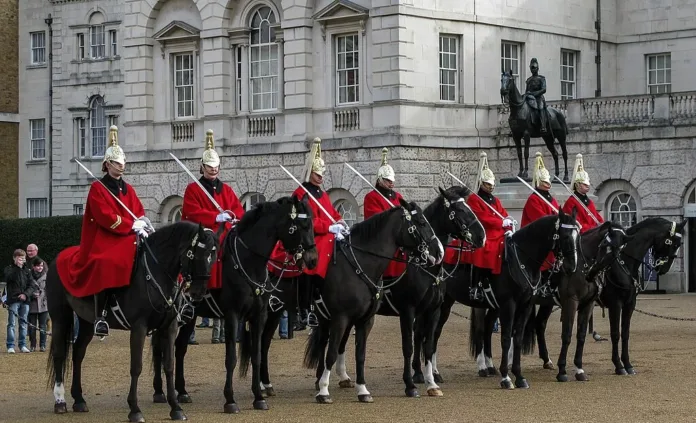

The British monarchy’s relevance has never felt more uncertain, or more revealing. According to The National Centre for Social Research (NatCen), polling shows that while overall support for the monarchy still stands at around 58%, enthusiasm for it collapses sharply among younger Britons, many of whom now favour an elected head of state instead. At the same time, Britain has quietly become a secular country. Census and long-running social surveys show that only 46.2% in England and Wales now identify as Christian, down from 59.3% in 2011.
These two shifts matter more than they seem. When belief in religion fades and trust in politics erodes, societies don’t become neutral or detached; they look for something else to believe in. In the UK, the monarchy has increasingly filled that space, not as a governing force, but as a symbol of continuity, identity, and stability.
So this isn’t a hypothetical for curiosity’s sake. If the Royals disappeared tomorrow, Britain wouldn’t simply “move on”. It would be forced to confront a far more uncomfortable question: what would replace them, and would it be better, or far more divisive?
Why the monarchy still matters, even to its critics?
To understand what would replace the Royals, you first need to understand what they currently do.
The monarchy operates less as a governing force and more as a stabilising symbol. It provides continuity in a country that has seen rapid political turnover, economic shocks, and cultural change.
Key roles the monarchy plays today include:
- Acting as a neutral national symbol above party politics
- Representing continuity during periods of crisis or transition
- Providing shared rituals (coronations, jubilees, state events)
- Serving as a focal point for British identity abroad
Even those who oppose the institution often underestimate how embedded these functions are. Remove them overnight, and the absence would be felt immediately.
British monarchy’s relevance in a post-religious society
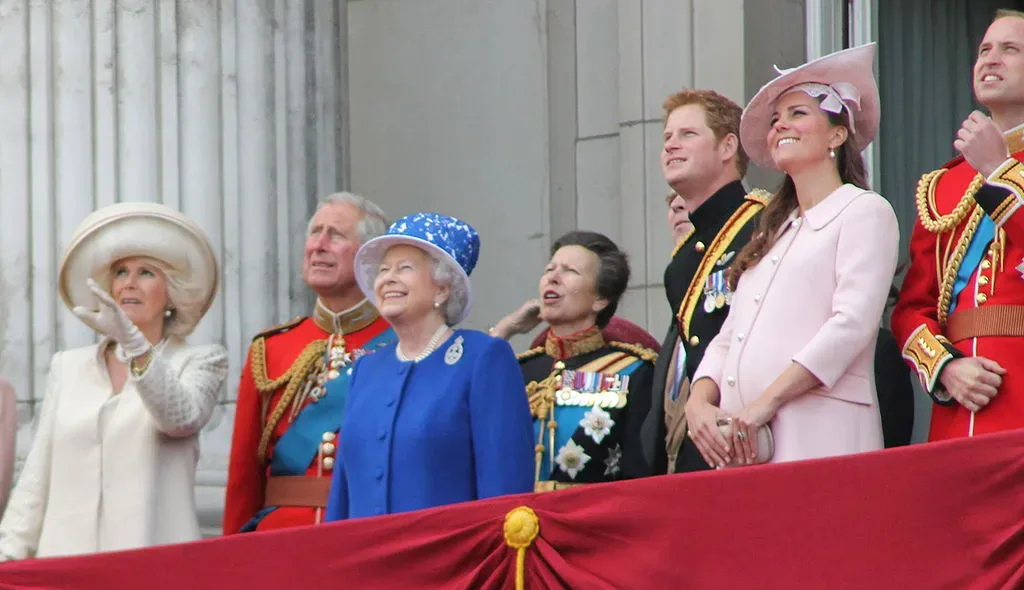
The decline of organised religion in the UK has created a vacuum. Historically, religion offered shared values, moral authority, and collective rituals. Today, the monarchy quietly performs many of those same functions.
The British monarchy’s relevance becomes clearer when viewed through this lens. Coronations resemble religious ceremonies. Royal weddings function as national rites. Periods of mourning, such as after Queen Elizabeth II’s death, reveal how deeply emotional the connection still runs.
Without the monarchy, Britain wouldn’t become less symbolic; it would become symbol-hungry.
What would replace the royals? Likely candidates
If the monarchy disappeared tomorrow, replacement wouldn’t come from a single institution. Instead, several forces would compete to fill the gap.
Politics would try, and likely fail
In theory, a stronger republican identity or constitutional reform could replace the monarchy. In practice, British politics lacks the trust required to unify the population.
Problems include:
- Deep partisan division
- Low trust in political leaders
- Rapid leadership turnover
- Media-driven cynicism
Rather than unifying, politics would likely intensify division. The monarchy’s perceived neutrality is difficult to replicate.
Football and sport as cultural religion
Football already functions as a parallel belief system in the UK.
It offers:
- Weekly rituals
- Tribal belonging
- Emotional highs and lows
- A sense of inherited identity
However, football is inherently divisive. Clubs unite communities locally but fracture them nationally. It cannot act as a shared symbol in the way the monarchy currently does.
Media and celebrity culture
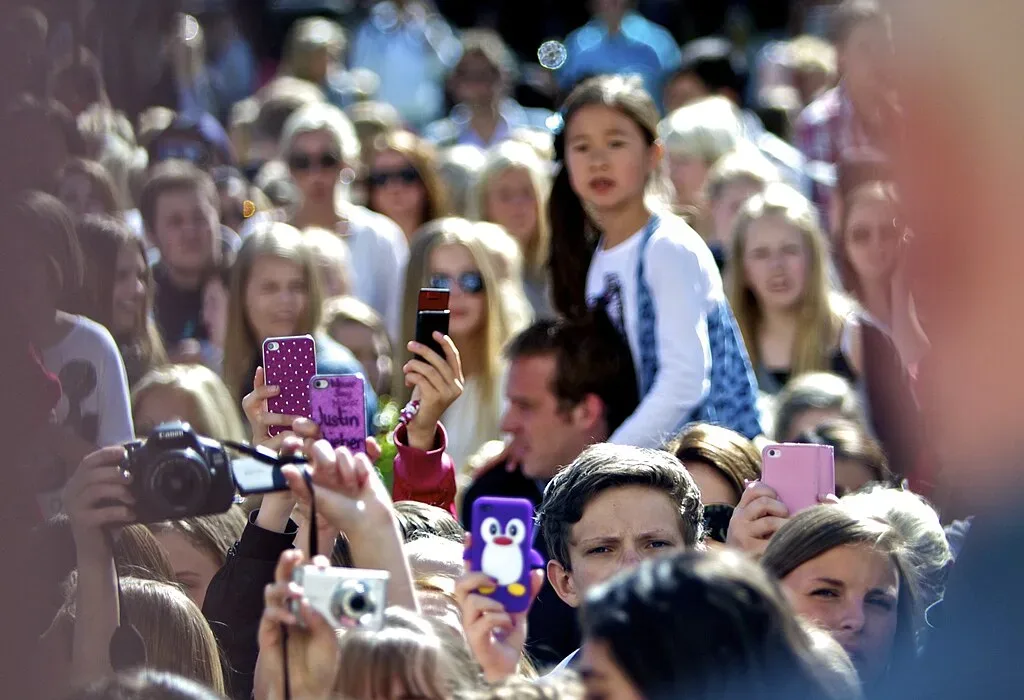
Celebrity culture would expand further into the vacuum. Royal fascination would likely be replaced by an intensified obsession with:
- Public figures
- Influencers
- Media-driven narratives
But celebrity culture is unstable. It thrives on scandal, turnover, and constant disruption. It lacks the longevity and gravitas needed to anchor national identity.
The legal and constitutional consequences
From a legal perspective, the monarchy’s removal would trigger profound structural change.
Key areas affected would include:
- Constitutional law and sovereignty
- The role of the Crown in Parliament
- Judicial authority exercised “in the name of the Crown”
- Military allegiance and oaths
These aren’t symbolic footnotes. They form the backbone of UK legal continuity. The British legal system relies heavily on precedent, tradition, and continuity, all areas where the monarchy plays a quiet but critical role.
This is another reason the British monarchy extends far beyond ceremony.
National identity without the crown
National identity doesn’t disappear when symbols are removed; it fractures.
Without the monarchy, Britain would face several identity pressures:
- Increased regional nationalism
- Stronger calls for constitutional reform
- Heightened culture wars
- Competing narratives of “Britishness”
Rather than one unifying symbol, multiple competing identities would emerge. The monarchy currently acts as a loose umbrella under which disagreement can still exist.
What history tells us about institutional collapse
History shows that when long-standing institutions disappear suddenly, replacement is rarely calm or orderly.
Common outcomes include:
- Power struggles between emerging authorities
- Heightened ideological conflict
- A search for new symbols and narratives
- Nostalgia-driven attempts to recreate the past
Britain has avoided much of this turbulence precisely because its institutions evolve slowly. The monarchy’s endurance has helped smooth transitions that might otherwise have been volatile.
The British monarchy’s relevance in the modern UK debate
Before the middle of this discussion, it’s worth restating the core issue: The British monarchy’s relevance is not about whether individuals like or dislike the Royal Family.
It’s about whether Britain currently has an alternative institution capable of performing the same stabilising role, culturally, legally, and emotionally.
At present, there is no clear replacement.
What would actually fill the gap?
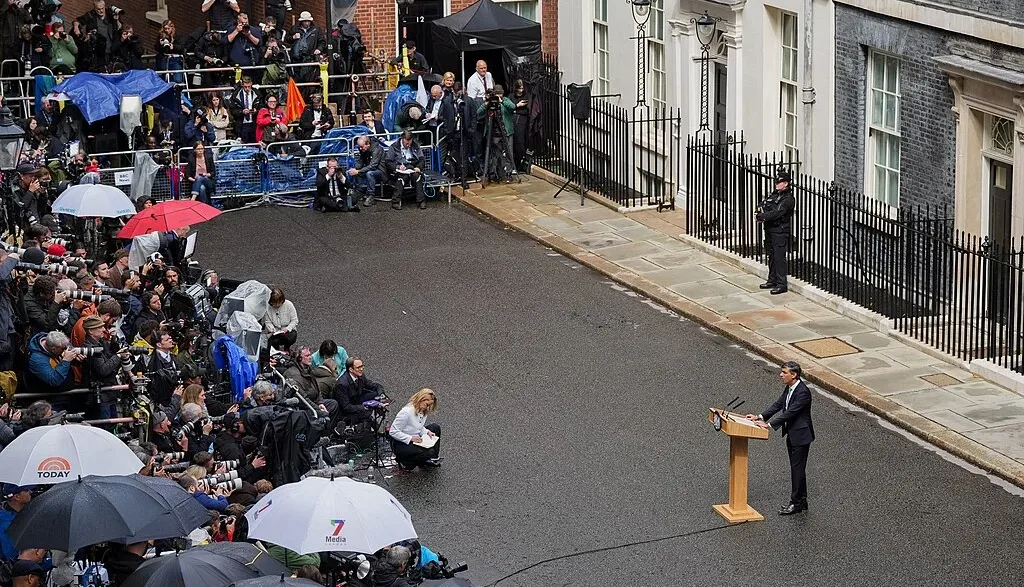
More realistically, the monarchy wouldn’t be replaced by one institution but by a fragmented mix of influences:
- Stronger regional identities
- Increased reliance on media narratives
- More politicised national symbols
- Greater cultural polarisation
This patchwork replacement would lack coherence. Instead of shared moments, Britain would experience parallel realities.
The risk of underestimating absence
Institutions are often most visible when they’re gone.
The British monarchy’s relevance becomes clearest when imagining its absence. Many of its functions are invisible precisely because they work quietly. Remove them, and the strain on national cohesion would become obvious.
This doesn’t mean the monarchy is untouchable or beyond criticism. It means its removal would come with costs that are rarely acknowledged in public debate.
If the Royals Disappeared Tomorrow
Before the end of this discussion, one conclusion stands out. If the Royals disappeared tomorrow, Britain wouldn’t suddenly modernise or simplify. It would destabilise, fragment, and search urgently for something else to believe in.
The British monarchy’s relevance lies not in tradition for tradition’s sake, but in its role as a shared reference point in an increasingly divided society. Until Britain develops an alternative capable of performing that role, the monarchy remains, for better or worse, deeply embedded in the nation’s structure.
The real question isn’t whether Britain can survive without the Royals. It’s whether it understands what would be lost, and what would rush in to replace them.