
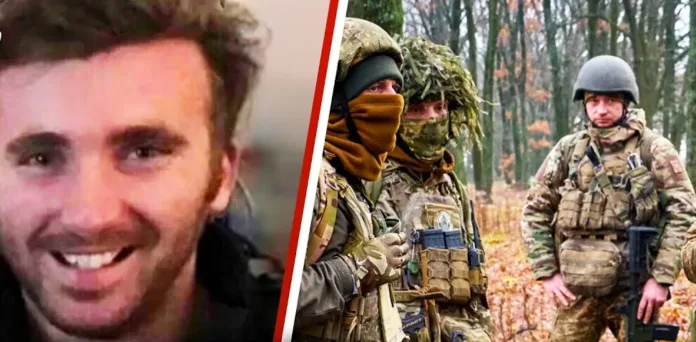

Lance Corporal George Hooley died in a tragic Ukrainian weapons-testing accident on Tuesday
The Ministry of Defence has confirmed that a British soldier killed in Ukraine was 28-year-old Lance Corporal George Hooley of the Parachute Regiment. He died on Tuesday morning during what military officials described as a tragic accident while observing the testing of a new defensive capability alongside Ukrainian forces.
His death has sent ripples through Westminster, the armed forces and international partners who continue to work with Kyiv as the war enters another gruelling winter. Prime Minister Keir Starmer paid tribute to Hooley during Prime Minister’s Questions, describing him as a man whose life embodied courage, determination and commitment to the ideals of freedom and democracy.
Starmer told MPs that Hooley had been injured away from the front lines while Ukrainian personnel carried out a demonstration. He praised the paratrooper for serving with honour across the world and for being part of the small number of British personnel operating in Ukraine. These troops provide protection for the diplomatic mission and assist Ukrainian forces with training and security support.
Hooley began his Army career in November 2015 when he joined the Infantry Training Centre in Catterick. After completing his training in June 2016, he entered the Parachute Regiment, one of the most demanding and respected infantry units within the British Army. The regiment, based mainly at Merville Barracks in Colchester, plays a key role in rapid response operations and specialises in airborne infantry missions.
The Parachute Regiment described Hooley as a dedicated soldier who had risen through the ranks with professionalism and grit. His service dog, Mabel, frequently appeared in photographs with him, symbolising the close bonds soldiers often form during demanding deployments. According to colleagues, he had embraced every challenge placed before him and took immense pride in his role.
Defence Secretary John Healey echoed that sentiment, saying Hooley had served the country with distinction and had demonstrated the strongest qualities of his regiment. Healey learned of the incident while in Washington for high-level discussions with Australian and American defence partners regarding the Aukus nuclear submarine programme. Both the Australian and United States defence chiefs expressed condolences and recognised the sacrifice made by the young soldier.
United States Secretary of War Pete Hegseth offered particular praise, noting that Hooley’s death reflected the ongoing commitment shown by military personnel who support global security efforts. He added that Washington’s thoughts were with the soldier’s family and the British armed forces.
Officials have not released further details about the specific capability being tested but emphasised that the accident took place away from active fighting. Britain has repeatedly stated that no combat troops are deployed in Ukraine. Those present operate in tightly controlled roles designed to bolster the work of the diplomatic mission and help Ukrainian forces strengthen their defensive posture.
Hooley’s death is likely to raise renewed attention on the duties carried out by British personnel in Ukraine, particularly as Kyiv continues to receive international support in its struggle against Russian forces. Although the number of troops deployed by Britain is small, the work they undertake is seen as critical to maintaining stability and safeguarding diplomatic operations.
Tributes for Hooley continue to grow across military channels. Many have highlighted his discipline, warmth and readiness to take on responsibility. His loss is being felt deeply within the Parachute Regiment, which has a strong tradition of service in some of the most challenging environments faced by the armed forces.
As investigations into the accident proceed, the focus within the military community remains on honouring Hooley’s contribution and supporting those who served alongside him. For the government, his death stands as a stark reminder of the risks faced even far from the front line and the sacrifices made by those who work to support allied nations in conflict zones.