

Household spending plunges as budget uncertainty and weak confidence grip the UK economy
UK households cut their spending in November at the fastest rate in almost five years, according to new figures from Barclays. The bank revealed a year on year fall of 1.1 per cent in card spending, a decline not seen since February 2021. The drop offers a stark warning as the country moves towards Christmas, a period that businesses normally rely on for a surge in sales.
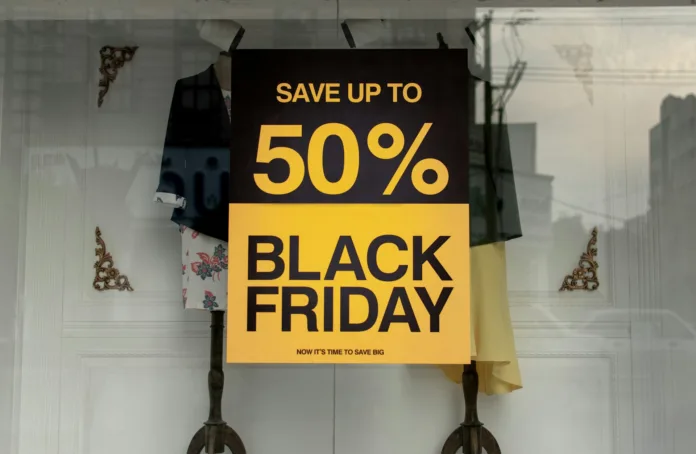
The figures have intensified concerns that uncertainty surrounding the recent budget has added pressure to household confidence. Although retailers experienced their busiest day of the year on Black Friday, the overall picture remained subdued. Barclays reported that transaction volumes rose by more than sixty per cent compared with an average day in 2025, yet this single day uplift failed to compensate for a broader slowdown across the month.
Embed from Getty Images
Further signs of hesitation emerged in the findings from the British Retail Consortium and KPMG. Their research suggested the traditional Black Friday boost was notably weaker than retailers had hoped. They described shoppers as jittery and reluctant to commit to purchases, a mood that has shaped the early Christmas trading period. Black Friday has become one of the most important moments in the retail calendar, often signalling consumer sentiment for the festive run up. This year, however, the bounce was shallow.
The BRC said that overall sales in November improved only slightly compared with the same month last year, helped mainly by higher food spending. Food sales rose by 3 per cent, though this figure remained below the annual inflation rate of 3.6 per cent. Non food sales barely shifted, increasing by just 0.1 per cent year on year, which is significantly weaker than the twelve month average pace of 1.6 per cent.
Political debate has centred on the impact of the period leading up to the budget delivered on 26 November. Opposition parties accused the Chancellor Rachel Reeves of dampening consumer confidence through months of speculation. Retail groups have also urged the Treasury to reconsider changes to business rates which medium sized retailers and pub chains say will place additional strain on their already tight margins.
Barclays also reported weaker spending in pubs during November. Card payments in the sector declined by 1.5 per cent, fuelled in part by younger adults opting for alcohol free drinks and activities. A survey of two thousand adults suggested that many people continued to feel cautious about their finances and remained wary of economic conditions.
Despite the overall decline, several sectors enjoyed pockets of growth. Travel agents benefited from a Black Friday surge with sales up more than ten per cent. Streaming services also experienced a rise of 3.5 per cent, supported by the popularity of hit shows. The BRC added that homeware and upholstery sold well as households prepared to host friends and family over the festive period. Fashion sales, however, were held back by mild weather in early November which suppressed demand for winter clothing.
Economists expect the Bank of England to cut interest rates later this month in response to slowing growth, rising unemployment and the persistent pressures facing the high street. A reduction from four per cent to 3.75 per cent is widely anticipated as policymakers attempt to create more breathing room for consumers.
Jack Meaning, chief UK economist at Barclays, said the final quarter of 2025 has been shaped by economic deceleration. He questioned whether easing inflation and lower interest rates would be enough to counteract tightening fiscal policy and ongoing uncertainty. Helen Dickinson, chief executive of the BRC, echoed these concerns and urged policymakers to prioritise measures that support confidence and reduce business costs.
As retailers move into the crucial final stretch before Christmas, they do so with little clarity over how consumers will behave. What is certain is that households are seeking caution and control, two forces that are already reshaping the economic landscape.