


Leaked reforms reveal plan for judge only trials as Crown Court backlogs hit crisis levels
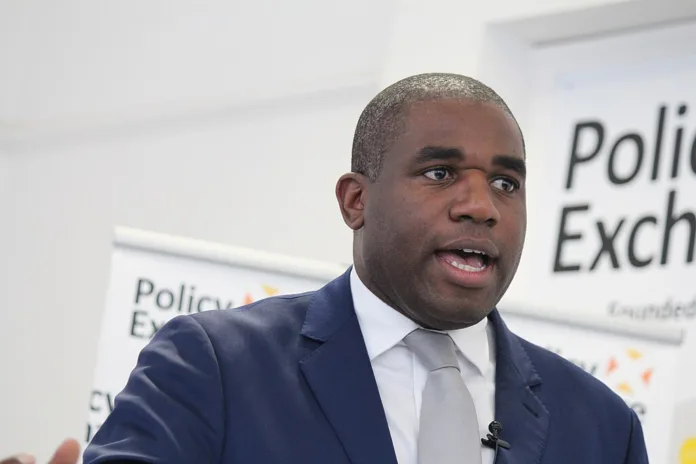
The government is preparing to unveil sweeping reforms that would drastically restrict the right to a jury trial in England and Wales, as ministers attempt to confront the most severe justice backlog in modern history. David Lammy, the deputy prime minister and justice secretary, is due to outline the proposals in Parliament, although it remains unclear whether the leaked version of the plan has secured full Cabinet approval.
The leaked document, circulated last week and confirmed by both the BBC and The Times, set out a major restructure of the way criminal cases are heard. Under the proposal, jury trials would be reserved only for the most serious offences, including murder, manslaughter, rape and cases where a defendant faces the likelihood of a sentence exceeding five years. For almost all other matters currently dealt with in Crown Courts including theft, drug offences, most violent crimes and fraud trials would be determined by a judge alone.
Embed from Getty Images
This would represent one of the most significant changes to the criminal justice process in decades. The shift has been advised by a senior retired judge who argued that such a move is necessary to cut through a system mired in massive delays. Crown Court backlogs have swollen to 78,000 pending cases, and officials warn that without urgent intervention the figure could soar beyond 100,000 within the next few years. For many defendants charged today, the reality is a trial date that may not arrive until late 2029 or even 2030.
The government’s leaked plan would also extend the powers of volunteer magistrates, allowing them to impose sentences of up to two years double the current limit. While supporters say this could free up judicial time for more serious matters, critics warn that such rapid expansion of responsibilities risks undermining fairness and consistency.
Ahead of his formal announcement, Lammy declined to confirm whether the leaked blueprint reflects the final proposals. However, he did announce additional investment: £550m over three years for specialist victim support services and £34m to attract more barristers into criminal work. He also reiterated his belief in the importance of juries, insisting that they “remain and will always remain a fundamental part of our justice system”.
Yet he questioned whether defendants accused of relatively minor offences should be entitled to claim a jury trial at the expense of victims waiting years for justice. “If someone steals an iPhone from an electrical shop tomorrow, is it right that they should be able to opt for a jury?” he asked. Lammy argued that lengthy trials for lower level offences inevitably contribute to delays in more serious cases, including sexual violence and homicide.
The reaction from senior legal figures has been swift and critical. Riel Karmy Jones KC, chair of the Criminal Bar Association, said the delays have not been caused by juries but by chronic underfunding. Years of cuts, she argued, have left the court estate crumbling, staffing insufficient and resources threadbare. Introducing a new tier of judge only hearings, she warned, would impose further complexity on a system already strained to breaking point.
Political tensions have also sharpened. Robert Jenrick, the shadow justice secretary, accused Lammy of abandoning longstanding principles in defence of jury trials. He claimed the reforms were a consequence of spending decisions made elsewhere, arguing that Labour had prioritised welfare payments over the needs of the justice system.
Although the leaked plan applies only to England and Wales with Scotland and Northern Ireland unaffected the scale of the proposed reforms has already ignited a national debate. With backlogs rising, courtrooms overwhelmed and public confidence wavering, the government faces mounting pressure to act. But whether curbing jury trials will restore the system or provoke even greater concern remains to be seen, and all eyes now turn to Lammy’s formal announcement in Parliament.