
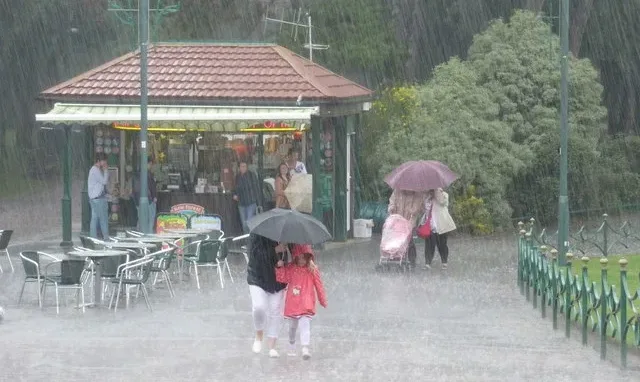


Meteorologists warn of flooding and disruption as heavy rain hits Wales and parts of the UK
Heavy rain is set to dominate the start of the week, with the Met Office issuing an Amber warning for much of south Wales as forecasters prepare the public for a spell of severe and potentially dangerous weather. The warning, which comes into force in the early hours of Monday, highlights the risk of flooding, travel disruption and even danger to life as prolonged rainfall moves across the region.
After a broadly dry Sunday for many parts of the UK, the return of unsettled conditions will be sharp and far-reaching. The Met Office expects the transition to begin overnight as a band of wet and windy weather moves in, bringing with it widespread concerns about the impact on already saturated ground.
Met Office Chief Forecaster Rebekah Hicks said that South Wales should expect significant rainfall accumulations, with the heaviest downpours over higher ground. Some areas could see as much as 100 to 120 millimetres through Monday alone. Even lower ground is likely to receive between 20 and 40 millimetres of rain, while hills within the Amber zone can expect 60 to 80 millimetres as a baseline.
Hicks added that the disruption will not be confined to Wales. Yellow warnings have also been issued for large sections of southwest and northwest England, central and northern Wales, and southwest Scotland. These areas may face travel delays, local flooding and difficult driving conditions as the rain persists throughout the day.
The risks identified in the Amber warning are especially stark. Fast-flowing or deep floodwater is possible, raising the risk of life-threatening situations. Power cuts may occur, and communities could find themselves isolated if roads become impassable.
Natural Resources Wales warned that the timing of the heavy rain is particularly problematic. Richard Preece, Duty Tactical Manager, said many rivers are already running high and the ground is saturated after recent wet spells. This increases the likelihood of rapid flooding, surface water accumulation and the need for multiple flood alerts and warnings.
Embed from Getty Images
Preece urged residents to take the situation seriously and to use the time before the worst of the weather arrives to make preparations. He emphasised the importance of checking personal flood risk, moving vehicles to higher ground, and keeping essential items such as medication and important documents in accessible places. He also warned against the dangers of approaching swollen riverbanks or attempting to drive through floodwater.
While Natural Resources Wales provides warnings for river and coastal flooding, it does not cover surface water, meaning individuals must remain alert to conditions in their immediate area. Preece encouraged the public to check official guidance regularly, as updates are issued every fifteen minutes.
The British Geological Survey echoed these concerns, warning that the expected rainfall has historically triggered landslides in Wales. They cautioned that both natural slopes and man-made infrastructure could be affected, particularly in places where soil and rock are already saturated. Landslides could lead to road closures or rail disruption, posing further challenges for travel across the warning areas.
Monday’s hazardous weather marks only the beginning of a week shaped by persistent low-pressure systems. While there will be intermittent sunny spells, the broader outlook remains unsettled, with further rain and showers likely at intervals. Forecasters expect the pattern of changeable weather to continue, keeping conditions unpredictable and requiring ongoing vigilance from the public.
For now, authorities across Wales and parts of the wider UK are focused on managing the immediate threat. With heavy and persistent rainfall set to push river levels higher and weaken already saturated slopes, the start of the week promises significant disruption. The message from forecasters and emergency planners is simple: stay alert, stay prepared and avoid any unnecessary risks as the weather worsens.